For many families in Taiwan, the latest developments in the global semiconductor industry have brought a sense of uncertainty and concern about their future. The island’s chip industry, a significant contributor to its economy, is facing potential challenges due to recent US efforts to reduce reliance on Taiwan’s cutting-edge technology. Tsai Yu-Tai, director-general of Budget, Accounting, and Statistics, has warned that a newly approved US semiconductor regulation and a similar proposal in Europe “may, directly and indirectly, harm exports of important industries in Taiwan.” This uncertainty is already being felt by communities that depend on the industry, with potential implications for local businesses and workers.
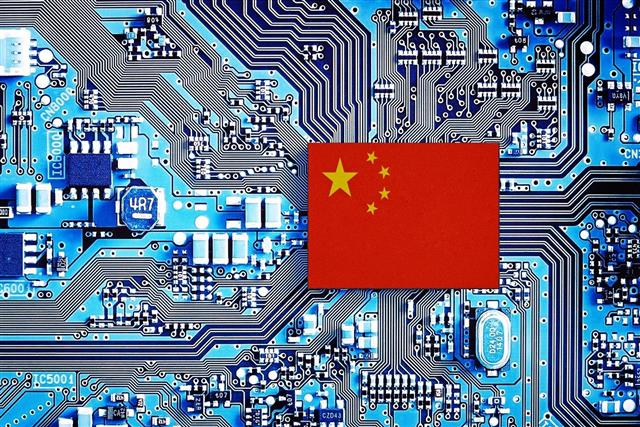
The US government’s $50 billion Chips and Science Act, passed in August, aims to promote domestic semiconductor research and development, and reduce reliance on Asian suppliers, notably Taiwan. This move is part of a broader effort by the Biden administration to accelerate Washington’s goal to overtake Beijing as the leading chip producer. Taiwan’s government has responded by decreasing its projections for gross domestic product growth for the years 2022 and 2023 to 3.06% and 2.75%, respectively. The island’s semiconductor giant, Taiwan Semiconductor Manufacturing Co (TSMC), is leading the market, and is also constructing a chip fabrication facility in the US.
The Human Impact of Trade Policies
The potential effects of the US chip restrictions on Taiwan’s economy and people are still unclear, but Tsai Yu-Tai has acknowledged that the uncertainty from these measures will “impair Taiwan’s production and exports.” The island’s ability to produce chips has long contributed to tensions between the US and China, and the latest developments are likely to exacerbate these tensions. As the US and Europe pursue their own semiconductor production plans, Taiwan is putting together its own tax breaks to support its industry. The island has suggested broadening some tax advantages for businesses that invest in technological research and production, in an effort to stay competitive.
US chip businesses, including Micron Technology Inc., have planned fresh investments since the Chips Act, and Gina Raimondo, the secretary of commerce for the US, has emphasized the necessity of moving forward with restrictions on the export of semiconductors and chip manufacturing machinery to China. Tsai Yu-Tai has avoided mentioning penalties, but has stated that a ban on production in China may have a “significant impact on order placement” and affect the local supply chain. The European Union has also decided to pursue a $43 billion plan to boost its semiconductor production, adding to the uncertainty and competition in the industry.
Global Implications and Responses
The global semiconductor industry is highly interconnected, and the latest developments have significant implications for trade and economic relationships between countries. As the US, Europe, and China pursue their own semiconductor production plans, Taiwan is seeking to maintain its competitive edge and protect its industry. The island’s government is working to support its semiconductor industry, while also navigating the complex geopolitical landscape. The situation is fluid, and the outcome is far from certain, but one thing is clear: the lives of many people in Taiwan and beyond will be affected by the decisions made in the coming months and years.
As the situation continues to evolve, it will be important to watch how the US, Europe, and China balance their competing interests and priorities in the semiconductor industry. The impact of the US chip restrictions on Taiwan’s economy and people will be a key area to watch, as will the responses of other countries and industries to the changing global landscape. In the coming months, we can expect to see further developments in the industry, as companies and governments adapt to the new reality and work to stay ahead of the curve. The future of the global semiconductor industry is uncertain, but one thing is clear: the decisions made now will have far-reaching consequences for years to come.