In the Swedish town of Kiruna, concerns are growing about the potential impact of the European Union’s plans to increase subsidies to its industry. The move is intended to counteract American efforts to boost its green technologies sector, but some fear that it could have unintended consequences for smaller member states. As the EU considers pumping more subsidies into its industry, there are worries that the continent’s heavyweights, such as Germany and France, may benefit at the expense of less developed countries like Bulgaria.
The EU’s approval of subsidies to offset the effects of Russia’s conflict in Ukraine has raised concerns that larger member states may use their economic power to coerce smaller states into giving their national powerhouses billions in subsidies. This could jeopardize the EU’s cherished “single market,” which allows all 27 countries’ sectors to compete as fairly as possible on an equal level. Swedish Industry Minister Ebba Busch has warned that the EU’s response to the U.S. subsidies included in the $369 billion Inflation Reduction Act must prevent “a competition on who can deliver the biggest state aid.” According to Busch, this could lead to a situation where the internal market’s competition is distorted and the union’s smallest states are disadvantaged.
The Risk of Unbalanced Subsidies
The issue of subsidies is a sensitive one in the EU, where member states have historically been wary of giving outsized subsidies to outmoded industries. The EU has spent decades trying to wean member states off of such subsidies, which can prevent them from planning for the future. However, when the economies were impacted by the global coronavirus outbreak in 2020, and the effects of the war in Ukraine last year, EU officials made a significant alteration to the system. The European Commission President Ursula von der Leyen has suggested the idea of a European sovereignty fund to promote the ecological transition of the bloc’s economy, which could utilize subsidies to oppose Washington and maintain green sectors in Europe.
As the EU member states prepare for a two-day summit in Brussels on February 9–10, they will be motivated by the desire to advance their own national interests. The majority of the public discussion will undoubtedly revolve around how to deal with Washington without starting a transatlantic trade war. However, the issue of subsidies and how they are distributed will be a crucial one, as member states seek to balance their own needs with the need to maintain a level playing field in the single market. The EU has already spent 540 billion euros in state aid, and any new subsidies will need to be carefully considered to avoid distorting the internal market’s competition.
A Delicate Balance
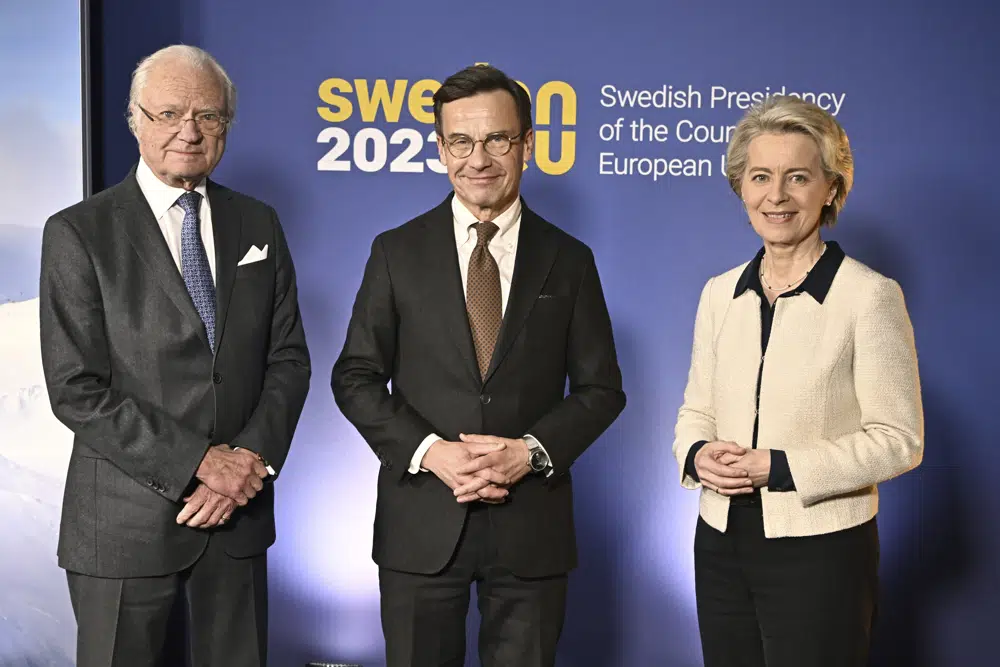
Sweden, which is currently in charge of the EU presidency, has issued a warning about the need to maintain balance in the distribution of subsidies. The country’s concerns are well-founded, given the risk that larger member states may use their economic power to coerce smaller states into giving their national powerhouses billions in subsidies. The EU’s single market is a cherished institution, and any attempt to undermine it could have far-reaching consequences for the bloc’s economy. As the EU member states gather in Brussels, they will need to navigate a delicate balance between advancing their own national interests and maintaining a level playing field in the single market.
Looking ahead, the EU’s approach to subsidies will be a crucial issue to watch. As the bloc seeks to promote the ecological transition of its economy and maintain its green sectors, it will need to carefully consider how to distribute subsidies in a way that is fair and balanced. The risk of unbalanced subsidies is a real one, and the EU will need to be careful to avoid distorting the internal market’s competition. As the EU member states continue to navigate the complex issue of subsidies, one thing is clear: the outcome will have a significant impact on the lives of people across the continent, from the towns of Sweden to the cities of Bulgaria.