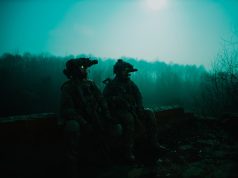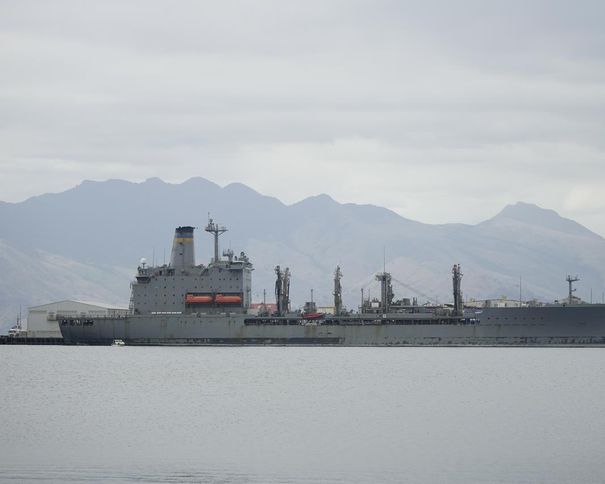
For residents of Olongapo, a city northwest of Manila, the news of an expanded American military presence in the area has brought back memories of a time when thousands of US sailors injected money, life, and hope into their community. The city, located near the former US Navy base in Subic, now a thriving commercial freeport and tourist destination, is once again at the forefront of a significant development in the region’s military landscape. The Philippine government’s decision to permit rotating batches of American forces to access four more Philippine military camps, in addition to five other local bases, is set to change the lives of people in the area, with some expressing concerns about the potential risks and consequences.
The agreement, announced on February 2, is part of a broader effort by the US to rebuild its military power in the Philippines, more than 30 years after the closure of its sizable bases there. The move is seen as a response to the increasingly aggressive stance of China in the region, particularly in the South China Sea, where China, the Philippines, and four other governments have had increasingly tense territorial rifts. According to Manila-based political scientist Andrea Chloe Wong, the location of the Philippine camps would give the US military the presence it needs to be a “strong deterrent against Chinese aggression” in the area.
Regional Tensions and Military Alliances
The US has been fortifying an arc of military alliances in Asia, in a starkly different post-Cold War era where the perceived new regional threat is China. Beijing’s views on Taiwan, which it considers its own territory that should be brought under Chinese control, by force if necessary, have added to the tensions in the region. The Enhanced Defense Cooperation Agreement, signed in 2014, has accelerated US-funded constructions to build barracks, warehouses, and other buildings to accommodate an anticipated sizable number of visiting troops. US Defense Secretary Lloyd Austin stated that although Washington was not attempting to reestablish permanent bases, the agreement to increase its military presence was “a major issue.”
According to Austin and his Philippine counterpart Carlito Galvez Jr., visiting American military personnel might include the Philippine military in greater joint combat-readiness exercises. However, not everyone is convinced that the increased military presence is a good idea. Some, like Mamba, have expressed concerns about the potential risks, including the possibility of the Philippines being targeted by nuclear weapons if the conflict over Taiwan escalates. “If they stay here, whoever is their enemy will become our enemy,” Mamba said, adding that the presence of American troops could create the assumption that the Philippines has nuclear capabilities.
Implications and Concerns
The decision to allow an expanded American military presence in the Philippines has significant implications for the region and the people living there. While some see it as a necessary move to counter Chinese aggression, others are concerned about the potential consequences, including the risk of escalation and the impact on the local community. As the situation continues to evolve, it is essential to consider the human impact of such decisions and the potential effects on the lives of people in the region.
Looking ahead, it will be crucial to watch how the situation unfolds and how the increased military presence affects the region. The US and the Philippines will need to navigate the complex web of alliances and rivalries in Asia, while also addressing the concerns of local communities. As the world watches the developments in the South China Sea, one thing is clear: the lives of people in the region will continue to be shaped by the actions of global powers, and it is essential to prioritize their safety, security, and well-being. What to watch next is how the US and the Philippines will balance their military strategy with the need to protect the environment, preserve peace, and promote economic development in the region.