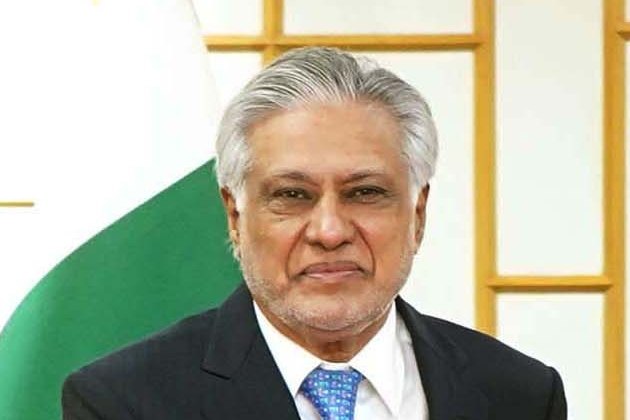
Pakistan, June 9, 2023 — cyberinktimes.com — Pakistan’s economy faced a turbulent fiscal year 2022-23, marked by slowing growth, high inflation, and external pressures, according to the Economic Survey of Pakistan released on June 9, 2023, in Islamabad. The report, presented by Finance Minister Ishaq Dar, outlined a GDP growth target of 0.29 percent for the year, down sharply from 6 percent in the previous fiscal year. The slowdown was driven by devastating floods, a balance-of-payments crisis, and political instability.
The survey projected the economy would contract in key sectors. Agriculture was expected to grow by 0.1 percent, a steep drop from 4.5 percent in FY22.
The floods that submerged a third of the country in 2022 destroyed crops and livestock. Cotton production fell by 34 percent. Rice output dropped by 22 percent.
Industry was forecast to shrink by 2.1 percent, with large-scale manufacturing declining 3.6 percent. Services sector growth was estimated at 0.1 percent.
“The economy is facing headwinds from both domestic and external factors,” said Finance Minister Ishaq Dar during the survey’s launch. “We are taking measures to stabilize the economy and put it on a path of sustainable growth.”
Inflation and fiscal pressures
Inflation averaged 29.2 percent in the first 11 months of FY23, the highest in decades. Food inflation hit 40 percent in May 2023. The central bank raised its policy rate to 21 percent in an effort to curb demand.
The fiscal deficit was projected at 7 percent of GDP, while the primary deficit , excluding interest payments , was expected to be 0.4 percent of GDP. The government’s debt servicing costs consumed 60 percent of tax revenues.
The survey noted that external debt and liabilities stood at $126.3 billion as of March 2023. The current account deficit narrowed to $3.3 billion in the first 10 months of FY23, compared to $14.4 billion in the same period last year, due to import compression and a slowdown in economic activity.
External sector and IMF program
Pakistan’s foreign exchange reserves fell to $4.5 billion by early June 2023, barely covering one month of imports. The country was in prolonged negotiations with the International Monetary Fund for the completion of a $6.5 billion bailout program, which had stalled since November 2022. The survey acknowledged that external financing remained a key risk.
“The external sector remains under stress due to a combination of global commodity price shocks and domestic policy uncertainties,” said the Ministry of Finance in the survey report. “Timely completion of the IMF program is critical for unlocking additional financing from bilateral and multilateral partners.” Exports grew by 2.1 percent to $27.5 billion in the first 10 months of FY23.
Remittances from overseas Pakistanis fell by 11.5 percent to $24.5 billion, partly due to a shift to informal channels as the gap between official and market exchange rates widened.
Social indicators and poverty
The survey highlighted rising poverty and unemployment. The poverty rate was estimated at 39.4 percent in FY23, up from 34.2 percent in FY22. The unemployment rate stood at 6.2 percent.
The government increased spending on social safety nets, with the Benazir Income Support Programme budget rising to 400 billion rupees, covering 9 million families. “The floods have pushed millions more into poverty,” said the survey.
“The government is expanding its social protection programs to reach the most vulnerable.”
Outlook and risks
The survey projected a modest recovery in FY24, with GDP growth expected to reach 3.5 percent. However, it warned that risks remained elevated. These included political uncertainty, high inflation, external financing gaps, and the impact of climate change.
The government said it would pursue fiscal consolidation, energy sector reforms, and export diversification. “We are optimistic that the economy will turn around in the coming year,” Dar said.
“But we must remain vigilant and continue with reforms.” The economic survey painted a stark picture of a nation grappling with multiple crises. Growth stalled. Inflation soared.
Reserves dwindled. The path forward depends on policy discipline, external support, and a return to political stability.
Without those, the challenges will persist.