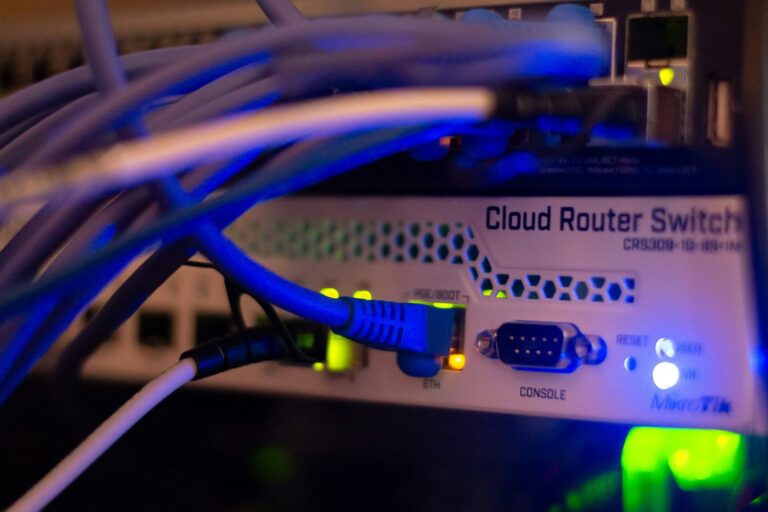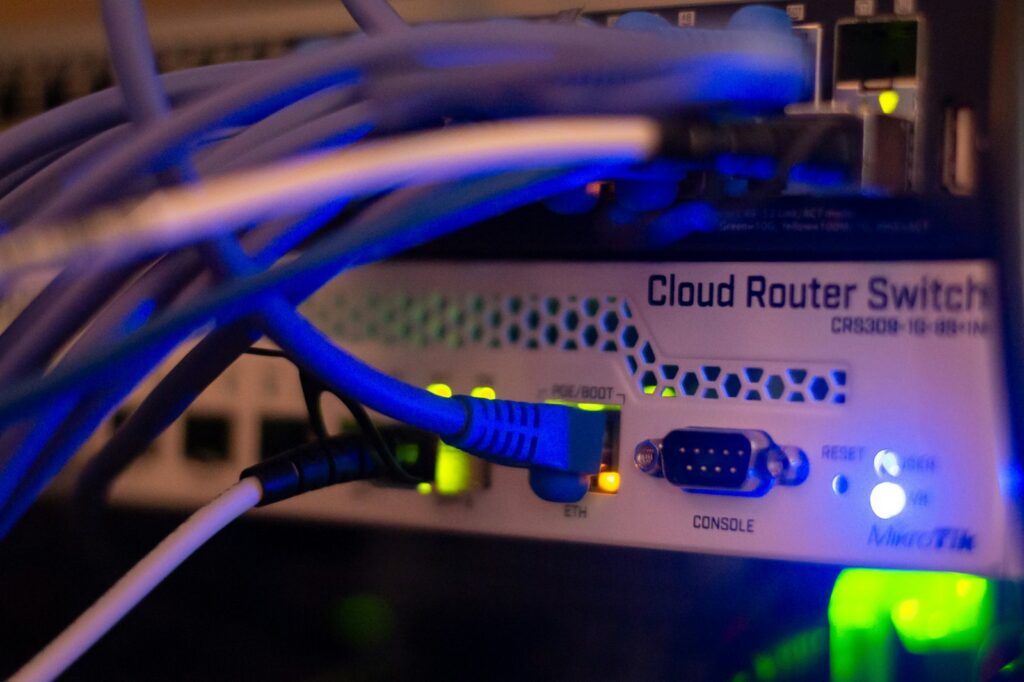
The Last-Mile Bottleneck in Wireless Evolution
Wi-Fi 7 specifications promise theoretical throughput of 23 Gbit/s, a figure that dwarfs the capabilities of previous generations, yet the vast majority of residential users will never approach this limit due to constraints in local internet infrastructure. The disconnect between wireless capability and wired reality is not a flaw in the router, but a strategic mismatch in the last mile of data transmission. For the average household, the bottleneck is rarely the device in the living room; it is the physical medium carrying data from the provider to the premises.
The IEEE 802.11be standard, designated as Wi-Fi 7, was approved by the IEEE-SA with the final published document released on 22 July 2025, although retail devices have been available since early 2023. The Wi-Fi Alliance launched its certification program on 8 January 2024, signaling the technical maturity of the standard. This timing creates a specific market dynamic: hardware is widely available, but the infrastructure required to fully exploit it is not. The strategic implication is clear. Without a corresponding upgrade in the wired connection, the advanced features of Wi-Fi 7 remain largely dormant, rendering the hardware investment partially ineffective for peak performance.
Channel Bandwidth and Modulation Requirements
Wi-Fi 7 introduces two core features that fundamentally alter the demand on the upstream connection: 320 MHz channel bandwidth and 4K-QAM modulation. These are not merely incremental improvements; they represent a structural change in how data is moved. The 320 MHz channels effectively widen the highway for data transfer, allowing for significantly higher rates of data movement both to and from the router. This expanded channel access is mandatory for the full realization of the standard’s potential, though it is optional for certification.
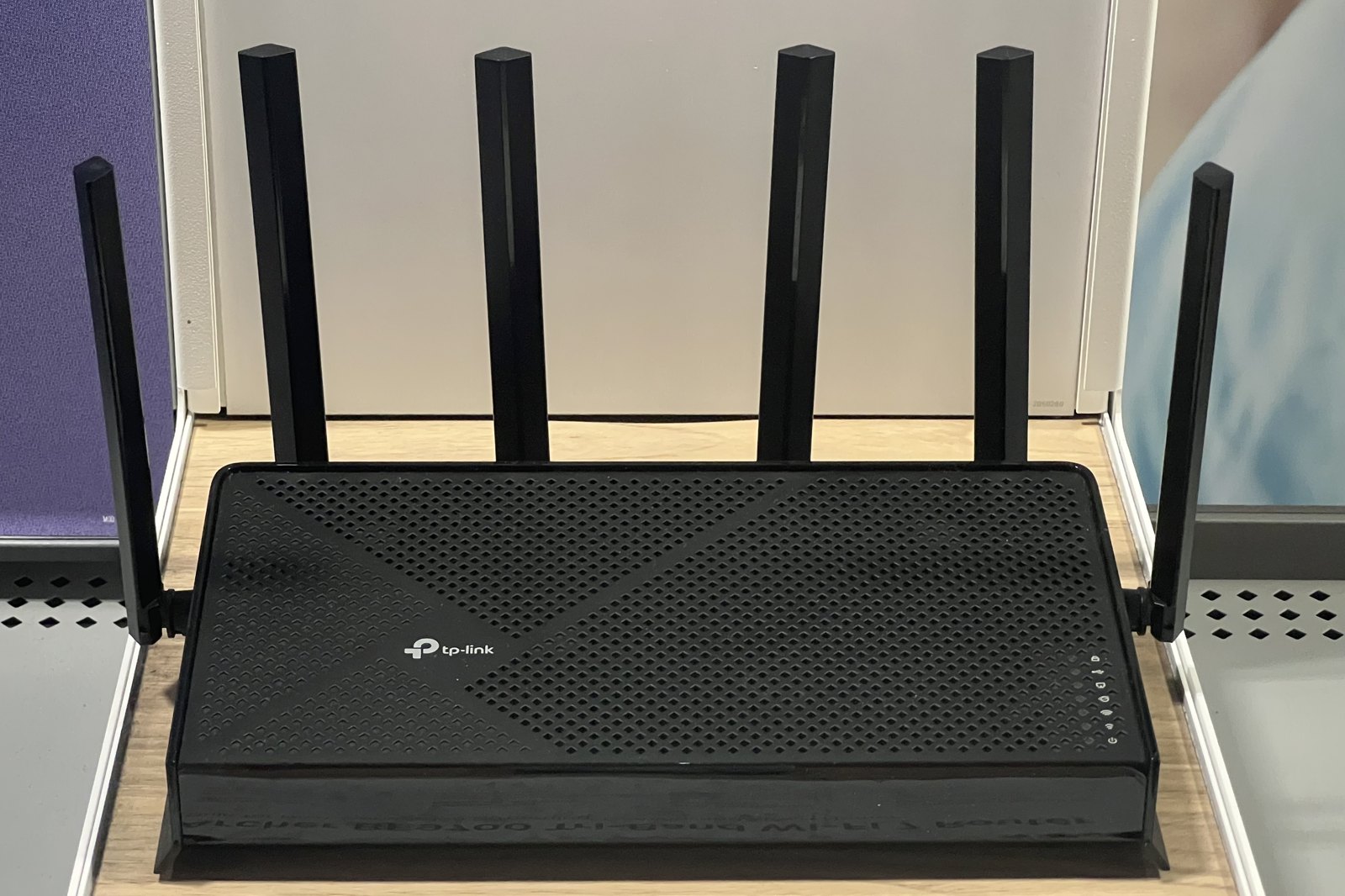
Simultaneously, 4K-QAM modulation allows each symbol to carry 12 bits rather than the 10 bits used in Wi-Fi 6. This results in a 20% increase in theoretical transmission rates at the same symbol or baud rate. When combined, these features create a throughput profile that demands symmetrical capacity. The data pushed through these wider channels and denser modulation schemes requires a matching upstream capacity to prevent congestion. If the wired connection cannot ingest the data at the rate the wireless network can deliver it, the system becomes inefficient, not just slower.
The Asymmetry Problem: Cable and DSL Limitations
The critical distinction lies in the nature of the last-mile connection. Fiber optic internet provides symmetrical upload and download speeds, meaning the rate at which data leaves the home is equal to the rate at which it arrives. Cable and DSL technologies, by contrast, typically offer asymmetrical speeds, where download rates far exceed upload rates. This architectural difference is the primary reason fiber is essential for Wi-Fi 7.
A router can only deliver internet speeds as fast as the local internet infrastructure allows. When a Wi-Fi 7 router operates on a cable or DSL connection, the asymmetry of the wired link creates a bottleneck. The wireless network may be capable of moving data at multi-gigabit speeds, but the physical line into the home acts as a chokepoint. According to analysis from BGR, upgrading to Wi-Fi 7 on cable or DSL often makes existing limitations more apparent rather than fixing them. The strong wireless connection to the router is hampered by the inherent constraints of non-fiber internet, exposing the gap between wireless potential and wired reality.
This is not a theoretical concern. It is a practical limitation that affects user experience. The expanded channels of Wi-Fi 7 are designed to utilize the full bandwidth available. When that bandwidth is artificially capped by an asymmetric cable or DSL line, the benefits of the wider channels are negated. The data pile-up occurs at the edge of the network, where the wireless meets the wired. In this context, the router is not the limiting factor; the provider’s infrastructure is.
Multi-Link Operation and Upstream Dependency
Multi-Link Operation (MLO) is a mandatory feature of Wi-Fi 7 certification that allows devices to connect to 2.4 GHz, 5 GHz, and 6 GHz bands simultaneously. This feature increases capacity by sending and receiving data across different frequency bands and channels at the same time. MLO is designed to reduce latency and improve reliability by aggregating links. However, its effectiveness is inextricably linked to the speed of the upstream connection.
If the upstream connection is slow, the benefits of MLO are wasted. The simultaneous transmission across multiple bands generates a higher volume of data that must be processed and transmitted through the single wired connection. On a multi-gigabit fiber connection, this aggregation is seamless. On a standard cable or DSL plan, the aggregated data flow can overwhelm the upstream capacity, leading to congestion and potential latency spikes. The strategic value of MLO is therefore contingent on the underlying infrastructure. It is a feature that rewards users with high-capacity wired connections and offers diminishing returns to those on lower-tier plans.
The interplay between MLO and upstream speed highlights the broader stakes of network infrastructure. As wireless technology advances, the value of the wired connection becomes more pronounced. The ability to leverage MLO fully requires a foundation that can handle the increased data throughput. This dynamic shifts the focus of consumer upgrades from the wireless device to the internet service plan. The router is only as good as the line it sits on.
Enterprise Precedents: The Spectrum Center Deployment
The necessity of fiber-backed Wi-Fi 7 is not just a consumer theory; it is already in action in enterprise environments. The Charlotte Hornets’ parent company, Hornets Sports & Entertainment (HSE), recently deployed managed Wi-Fi 7 connectivity at the renovated Spectrum Center arena. This installation marks the first-ever deployment of Wi-Fi 7 for Spectrum, a suite of communications services offered by Charter Communications, in an NBA arena nationally.
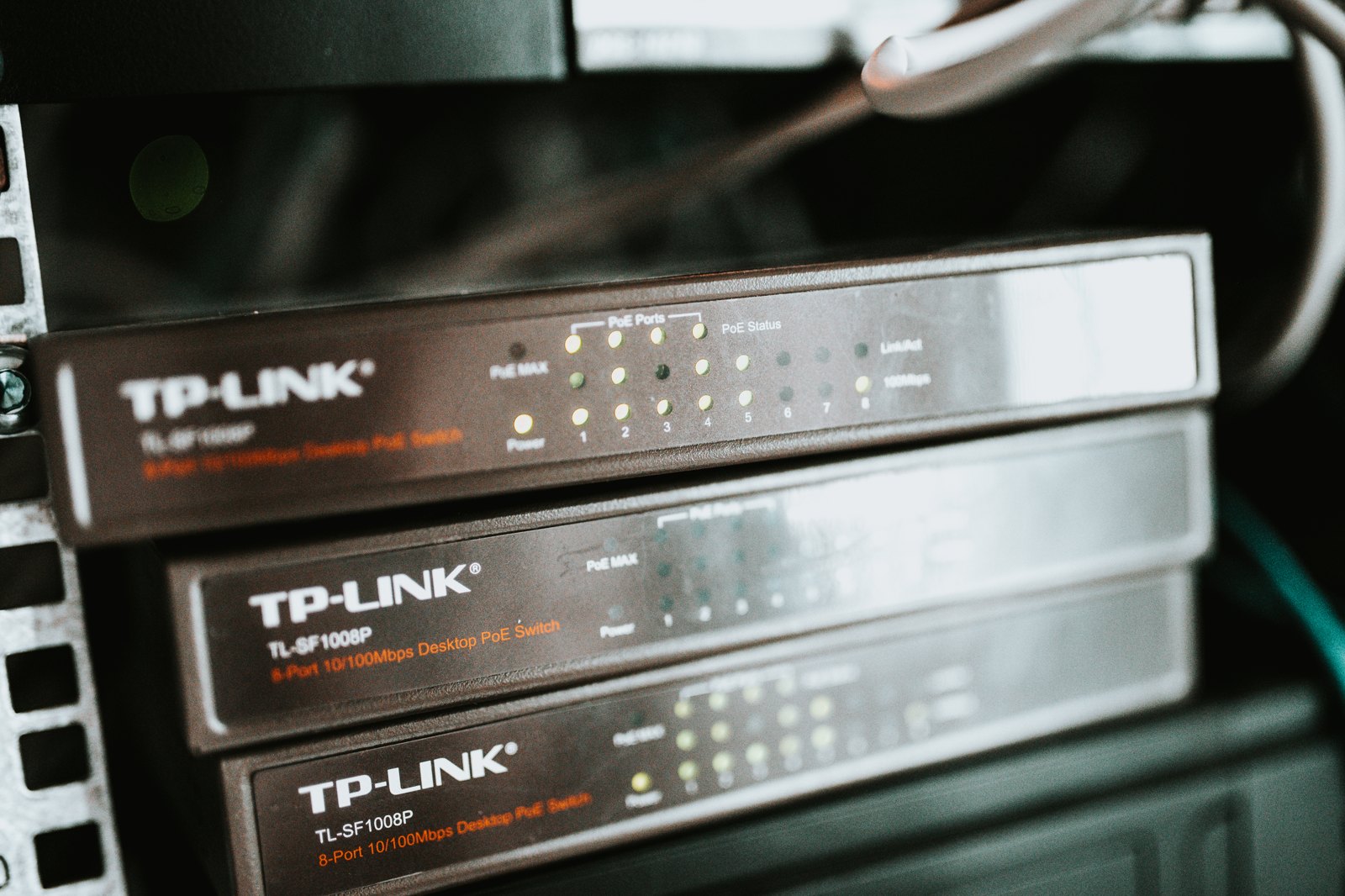
Spectrum Center now features nearly 550 Wi-Fi 7 access points throughout the venue, providing connectivity for every seat and space. The deployment utilizes 320 MHz channels, 4K-QAM modulation, and multi-link operation to unlock multi-gigabit speeds. HSE describes the upgrade as positioning the Charlotte Hornets among the first NBA teams to bring fans the next generation of wireless connectivity. The arena, which has hosted more than 2,500 events and welcomed over 25 million guests, required a network capable of handling high-density, high-bandwidth demands.
This enterprise case study illustrates the practical application of fiber-backed Wi-Fi 7. In a high-traffic environment like a sports arena, the ability to move large amounts of data reliably is critical. The use of Charter Communications’ fiber infrastructure provides the symmetrical, high-capacity backbone necessary to support the advanced features of Wi-Fi 7. For consumers, this serves as a model of what is technically possible when wireless and wired infrastructure are aligned. The enterprise deployment demonstrates that the full potential of Wi-Fi 7 is realized when the last-mile connection is robust and symmetrical.
Consumer Guidance: When to Upgrade
For the average consumer, the decision to upgrade to Wi-Fi 7 requires a clear assessment of current infrastructure. Most home internet plans offer speeds of a few hundred megabits per second, which older Wi-Fi 6 routers handle with ease. If a user’s plan is in the single gigabit range or lower, a Wi-Fi 6 or 6E router is generally sufficient. The strategic calculus here is simple: if the wired connection is the bottleneck, upgrading the wireless network will not resolve the issue.
According to BGR, consumers should first confirm whether they would benefit from an upgrade at all. If there are no latency issues during gaming or random freeze-ups during streaming and video conferencing, a Wi-Fi 7 router purchase is likely unnecessary. The marketing surrounding Wi-Fi 7 often creates a “don’t get left behind” feeling, but the practical reality is that many users’ needs are met by existing hardware. The key is to identify whether the problem lies with the home network or the internet provider. If internet speeds slow down in the evenings, this is often due to regional congestion issues common in cable networks, a problem that fiber connections generally avoid.
For those with multi-gigabit internet service, particularly 2 Gbps fiber connections, Wi-Fi 7 becomes relevant. As noted by Engadget, a 2 Gbps fiber connection requires Wi-Fi 7 to keep up, especially for users sitting close to the router. In this scenario, the router is the limiting factor, and upgrading to Wi-Fi 7 allows the user to fully utilize their high-speed plan. The decision to upgrade should be driven by the capacity of the wired connection, not the theoretical maximums of the wireless standard.
The Path to Wi-Fi 8 and Reliability
As Wi-Fi 7 becomes the standard, development has already shifted to Wi-Fi 8, which focuses on reliability rather than raw speed. The underlying standard, 802.11bn, is nicknamed “Ultra High Reliability,” accentuating its focus on consistency and stability. Wi-Fi 7, released in 2024, has been known to suffer from pain points such as poor stability, weak wall penetration, and relatively short range. Wi-Fi 8 aims to address these issues, with final approval expected in 2028.
Wi-Fi 8 is designed to achieve 25 percent better throughput for weak signals, 25 percent fewer dropped packets, and 25 percent lower latency at the shakiest moments. This shift reflects a broader understanding that as speeds increase, the value of consistency grows. For users, this means that the next major upgrade will be less about hitting higher speed ceilings and more about ensuring a stable connection in challenging environments. The focus on reliability suggests that the industry is moving toward a more mature phase of wireless networking, where the infrastructure is assumed to be capable, and the challenge is managing that capability effectively.
For now, the strategic imperative for consumers is to align their wireless hardware with their wired infrastructure. The theoretical 23 Gbit/s of Wi-Fi 7 is a number virtually nobody will see in the real world, but the practical benefits of improved stability and higher multi-gigabit throughput are accessible to those with the right foundation. The calculus is straightforward: without fiber, the full potential of Wi-Fi 7 remains locked. With fiber, it becomes a tool for unlocking the next tier of home network performance. The next scheduled milestone for the standard itself is the expected final approval of Wi-Fi 8 in 2028.
Sources
- Wi-Fi 7
- The Best Wi-Fi Routers
- The Best Wi-Fi Routers We've Benchmarked in 2026: the best of Wi-Fi 7 from budget to premium
- Do You Need A Fiber Internet Connection For Wi-Fi 7 To Matter? – BGR
- Charlotte Hornets hoop NBA wireless first with Wi-Fi 7 | Computer Weekly
- Wi-Fi 8 is an attempt to fix the biggest problem with wireless internet – Engadget
Photo: Albert Stoynov / Unsplash (Unsplash License)