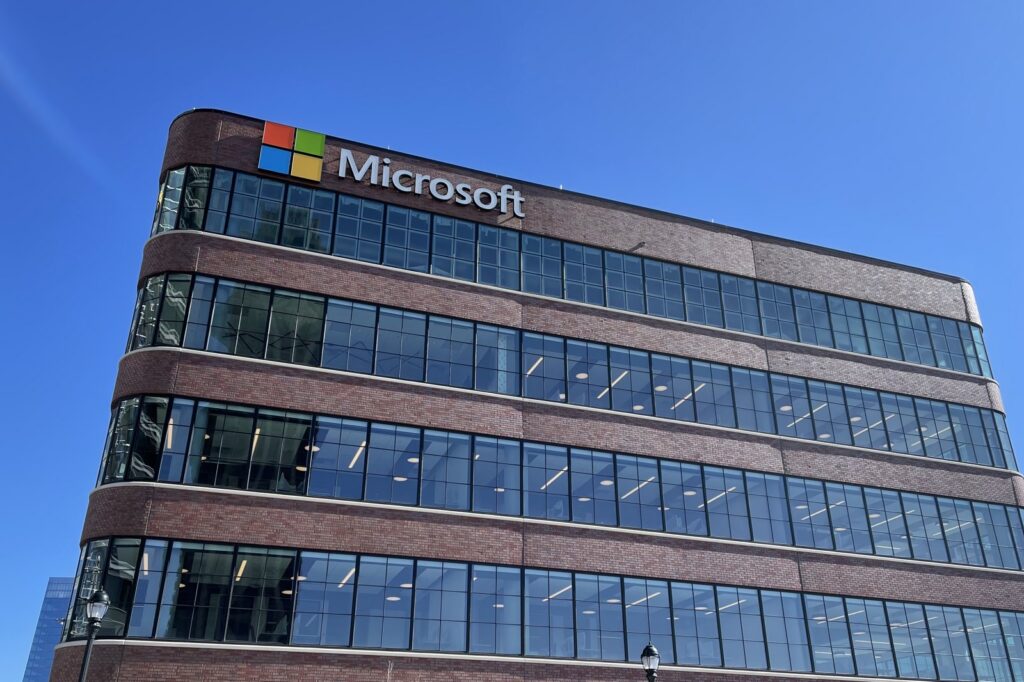
A major outage of Microsoft services halted digital communication for millions across the world on November 13.
The crash caused massive disruption to public services including hospitals and schools, according to the record. Microsoft stated that the incident was not the result of any malicious activity.
Global Services Disrupted
The outage affected companies, governments, and tens of millions of users, disrupting email, police calls, and court systems. In Britain, a court trial in Manchester was halted and a judge sent jurors home due to technology reliance. British police forces were unable to receive crime reports online and urged people to phone in urgent requests.
The National Pharmacy Association warned people could face delays getting prescriptions due to NHS email system impacts. In Norway, the government reported that the outage affected several ministries. Greece’s Minister of Digital Governance Dimitrios Papastergiou noted government ministries using Outlook, Teams, and Copilot were affected.
Experts Warn of Systemic Risks
The incident highlights the risks of market concentration, where a relatively small number of powerful corporations have become responsible for providing most digital services, according to the record. This fragility was plain to see on November 13 when emails and video calls stopped working.
A similar outage revealed similar risks in July 2024 when a faulty security update crashed millions of systems that used Microsoft Windows. Just last month, on October 22, AI testing revealed security vulnerabilities in a programme which underpinned roughly 70% of the world’s websites.
Call for Digital Resilience
Governments and enterprises face urgent calls for digital resilience investments. In Australia, Home Affairs Minister Tony Burke stated Microsoft likened the disruption to the 2024 CrowdStrike outage. Andrew Cullen, a University of Melbourne academic who specialises in cybersecurity and AI, said the nation is dependent on US tech companies.
“We’re so dependent upon these tech companies,” Cullen said. “Most of our emails come through either Microsoft or Google. Most of our websites are managed under the hood by Amazon or a few other kind of key cloud providers. So, it’s really challenging for us all to kind of have control of our own digital destiny.”
Toby Murray, a University of Melbourne professor who specialises in cybersecurity, said the usual way of setting up organisations has been to move to cloud-based services. “It is a real challenge once you move these systems into the cloud and when we all rely on a very small number of vendors for those cloud services,” he said.
Dr Cullen said organisations had to create plans for outages. “So, for businesses, that means having a plan to work out how you run operations if you don’t have access to email or access to Teams,” he said. “There really needs to be a push to try and make sure they’re as robust as our banking system is through legislation, through oversight and regulatory controls.”
Professor Toby Walsh, the chief scientist at the University of New South Wales AI Institute, said he expects more outages and hacks in the years to come. “I hate to be a doom monger, but we’re discovering that the foundations of the internet are somewhat shaky,” Walsh said.
Sources
- The Microsoft outage is an urgent wake-up call for greater digital resilience
- Live updates: Microsoft scrambles to fix major outage affecting millions worldwide
- Microsoft 365 outage: Could businesses survive a day without Outlook, Teams and SharePoint?
- Australia must develop digital resilience, experts warn, but it will cost
Photo: Tyler Lahti (CC BY-SA 4.0)