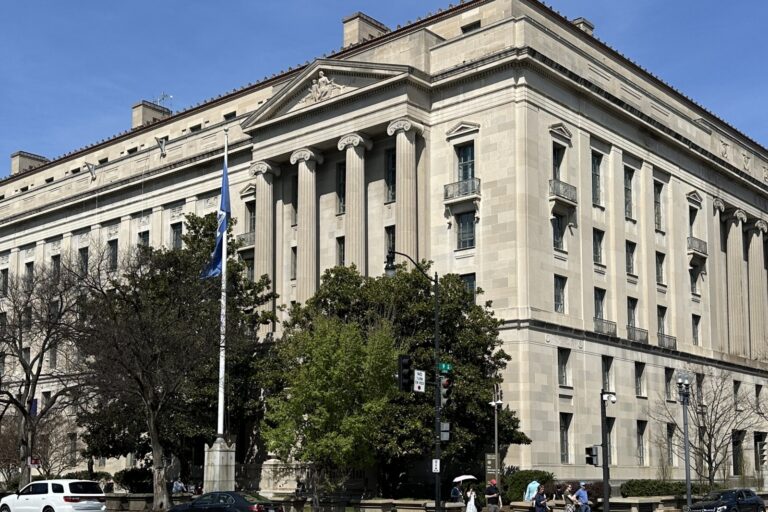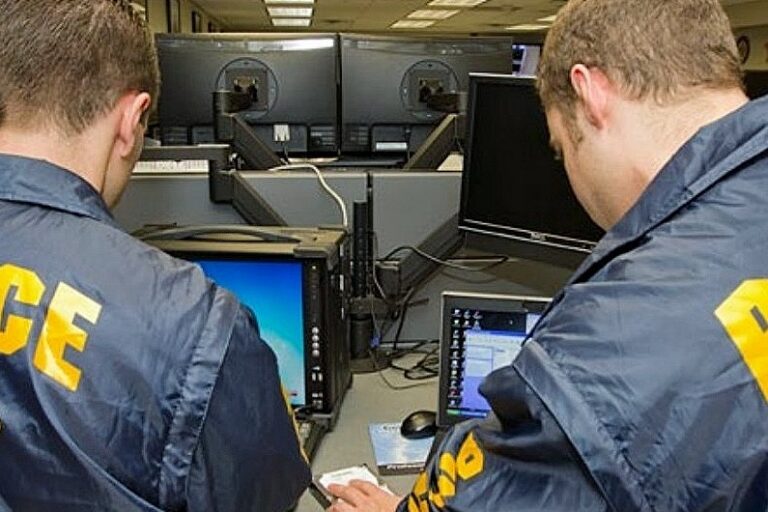
$456,602 in USDT tied to romance‑scam wallets was seized by the U.S. Department of Justice on Nov. 9, 2026, after Tether’s freeze function was triggered on both Ethereum (ERC‑20) and TRON (TRC‑20) contracts.
How Tether’s Centralized Freeze Works
Tether retains a master key that can flag any USDT address on its ERC‑20 and TRC‑20 smart contracts. When a court order is presented, the company updates the contract’s blacklist, instantly rendering the targeted tokens non‑transferable.
Law‑Enforcement Portal and Workflow
Since 2024, Tether operates a secure portal that lets authorized agencies upload court orders. The portal validates the document, logs the request, and forwards the freeze command to the blockchain contracts. The process is designed for rapid compliance, allowing the DOJ to act within hours of filing a civil forfeiture complaint.
Scale of Cooperation
By October 2026, Tether reported supporting more than 2,900 investigations and helping freeze over $5 billion in illicit assets across 340+ law‑enforcement agencies in 70 countries. The figure that matters is the $5 billion total, which underscores the breadth of the company’s crime‑fighting infrastructure.
Recent DOJ Action
The Boston U.S. Victims were courted on platforms such as GujaratiMatrimony.com, Facebook and RedNote before being steered into fake investment sites. The DOJ’s civil forfeiture complaint seeks to recover the stablecoin that was laundered through those wallets.
Organizational Shifts
The T3 Financial Crime Unit—a joint effort by Tron, Tether, TRM Labs and Binance—was dissolved in August 2026 after freezing $250 million in illicit assets in 2025. Tether continues its partnership with TRM Labs on the Beacon Network, a real‑time intelligence‑sharing platform. In October 2026, Tether launched the Financial Access and Systemic Empowerment (FASE) Foundation to further its anti‑crime initiatives.
Implications for Stablecoin Regulation and User Trust
Investors will note that Tether’s ability to freeze tokens runs counter to the decentralized ethos of most cryptocurrencies, raising questions about the trade‑off between compliance and user sovereignty. The DOJ’s use of civil forfeiture demonstrates that regulators can leverage this centralized control to recover funds, but it also signals that stablecoin issuers may face heightened scrutiny as policymakers consider tighter oversight.
Bottom Line
The next scheduled update from Tether’s compliance team is slated for December 15, 2026, when the company will publish a quarterly report on freeze activity and law‑enforcement collaborations.
Sources
- DOJ files civil forfeiture action to recover $456,602 in USDT tied to romance scams
- Tether (cryptocurrency)
- Tether Owns $11.5 Billion Worth Of Bitcoin
- Democracy Defenders Fund Calls for Federal Investigation into Former White House Crypto Adviser Bo Hines Over Tether Ties
- Tron, Tether and TRM Pivot to New Crypto Crime-Fighting Alliances After T3 Shutdown | PYMNTS.com
- Tether Says It Holds 150,000 Bitcoin, 50,000 More Than Its Reserve Report Showed. What Does That Mean for BTC?
Photo: APK (CC BY 4.0)