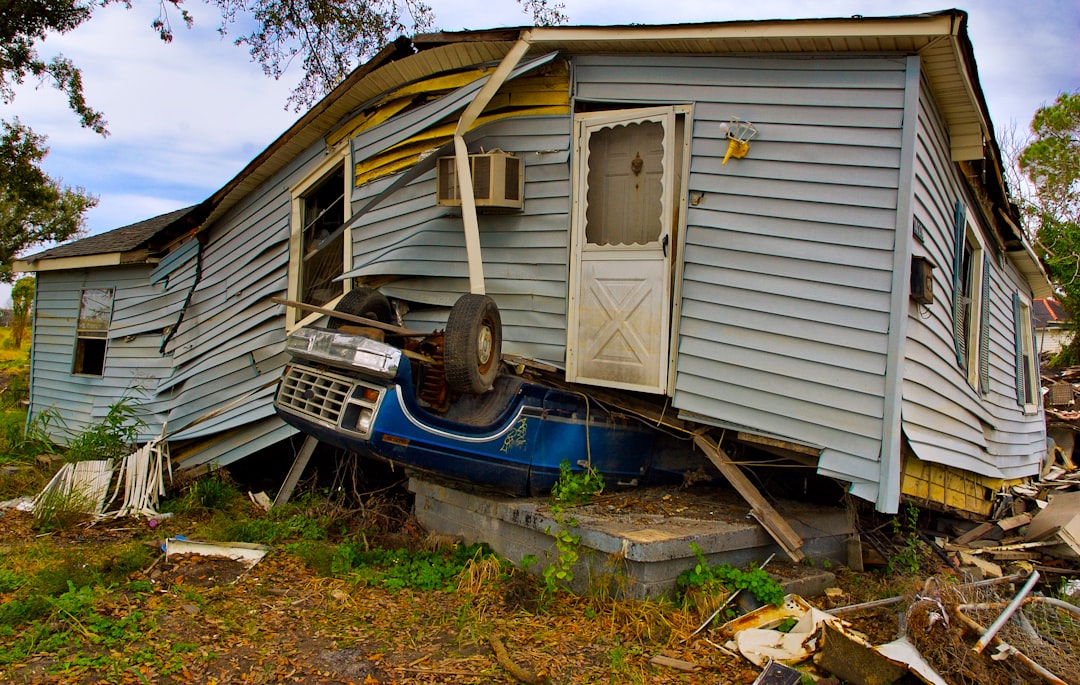
Nebraska and Iowa, April 26, 2024 — cyberinktimes.com — The tornado outbreak that struck Nebraska and Iowa on April 26, 2024, was not a single storm. It was a system. A synoptic-scale weather machine that spawned multiple tornadoes from the same parent system — at least six to ten, by definition, with two or more supercells producing them.
That is the cold language of meteorology. The reality on the ground was a cascade of emergency declarations.
Multiple tornado emergencies were issued. That phrase — “tornado emergency” — is not used lightly. It is the highest tier of warning, reserved for situations where a confirmed violent tornado is bearing down on a populated area.
That multiple such warnings were needed across two states tells you the scope. This was not a single community’s disaster.
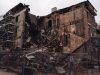
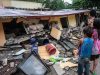
It was a regional event with a wide footprint. The immediate consequence is straightforward: damage. Property damage, infrastructure damage, and the grinding halt of normal life.
The report already notes the economic impact will be significant. But what follows a storm of this scale is not just cleanup. It is a reckoning with what the region builds and how it powers itself.
Nebraska and Iowa sit in the heart of the nation’s wind energy corridor. The same atmospheric dynamics that feed tornado outbreaks — strong jet stream winds, sharp temperature contrasts, instability — are what make the Plains so productive for wind turbines.
That is the irony. The same weather that can level a town also spins the blades that generate power. In the aftermath, the conversation will turn to energy security.
Not as an abstraction. As a practical question: when the grid takes a hit from a storm, what keeps the lights on?
Renewable sources like wind and solar are distributed. They are not as vulnerable to a single point of failure as a centralized fossil-fuel plant. But they are also exposed to the weather itself.
A tornado does not discriminate between a coal plant and a wind farm. It will tear down both. The difference is in recovery.
Solar panels on rooftops can be replaced piecemeal. A destroyed substation takes months.
The report points to a likely renewed focus on sustainable, environmentally-friendly solutions as the region rebuilds. That is a safe bet. Every major disaster reshapes the conversation about infrastructure.
After the 2011 Joplin tornado, building codes were tightened. After Hurricane Sandy, New York hardened its electrical grid.
After this outbreak, the question will be whether Nebraska and Iowa double down on the renewable energy they already lead in, or whether the vulnerability of those systems in a storm gives pause. There is no single answer. The forces at work here are not simple.
Climate change loads the dice for more intense storms. The same weather patterns that produce tornadoes also produce the wind that powers turbines. And the people who live in these states are not going to move.
They will rebuild. The question is what they build, and how they power it.
The outbreak on April 26 was a moment. It was not the first. It will not be the last.
The Plains have always been a place of violent weather. What has changed is the scale of what we build on that landscape, and how dependent we are on the systems that keep it running.
When those systems fail, the cost is not just economic. It is the cost of a community’s confidence that it can withstand what comes next. The tornadoes are gone.
The emergencies have expired. The recovery has begun. That recovery will be measured in months and years, not days.
And in that time, the choices made about energy and infrastructure will tell you what this region learned from the storm — or what it chose to forget.