Japan, March 4, 2026 — cyberinktimes.com — The third failure of the KAIROS rocket is not just another delay. It puts real money and real national strategy on the line. Space One’s rocket, the Kii-based Advanced & Instant Rocket System, was carrying a small government test satellite when the flight was terminated two minutes after liftoff from Spaceport Kii in Wakayama Prefecture.
The date was 2026-03-04. The company now has three launch attempts and zero orbital successes.
What is at stake is Japan’s push for a private, responsive space launch capability. The KAIROS rocket is a solid-fuel vehicle. That design choice matters.
Solid fuel can be stored for long periods and launched on short notice. That is why the Japanese government wants it.
A military or disaster-response satellite could be put up in days, not months. But a rocket that fails three times in a row cannot serve that purpose. Space One designed the KAIROS to carry up to 250 kilograms to low Earth orbit and up to 150 kilograms to sun-synchronous orbit.
Those are small payloads. But small payloads are the growing market. Commercial constellations, Earth-observation cubesats, experimental government hardware — none of it gets to space without a ride.
Japan’s own H3 rocket, developed by the national space agency, is larger, more expensive, and not built for rapid response. The private sector was supposed to fill the gap.
Now that gap looks wider. The rocket consists of three solid-fuel stages and a liquid-propellant upper stage. The failure came two minutes into flight.
That points to a problem early in the launch sequence — likely in the first or second solid stage. Those stages burn hard and fast.
If something goes wrong, there is no throttling down, no abort-to-orbit. The flight termination system did its job. But the job of a rocket is to deliver a satellite, not to blow itself up over the Pacific.
Space One will investigate. That investigation will take months. It will involve engineers, data review, hardware inspection of recovered debris if any is found.
The process is necessary but slow. And while it happens, the company’s launch manifest sits idle.
Customers wait. Some may look elsewhere. This is the third failure.
The first ended in explosion seconds after liftoff. The second also failed.
Each time, the company said it learned lessons. Each time, the next attempt ended the same way. The pattern erodes confidence.
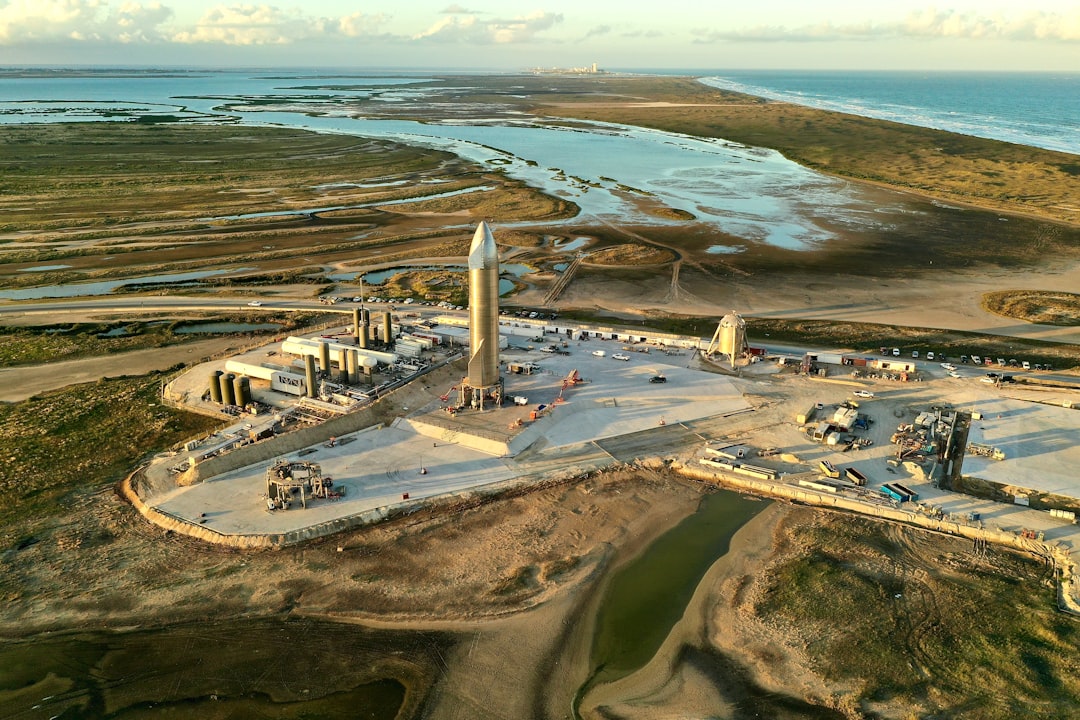
Not just in Space One, but in the idea that Japan can build a viable private launch industry quickly. The government has invested in Spaceport Kii. The facility is purpose-built for small rockets.
It sits on the coast of Wakayama, chosen for its clear downrange ocean. Infrastructure money has been spent.
Political capital has been spent. A third failure does not cancel the project, but it makes the next budget request harder to sell. Japan is not the only country chasing this market.
Rocket Lab in the United States and New Zealand has a working small-satellite launcher. India’s Small Satellite Launch Vehicle has flown.
China has multiple commercial players. Every month that KAIROS stays grounded is a month those competitors add to their lead. Space One’s ambitions are still there.
The technology is not junk. Solid-fuel rocketry is well understood. The problem is execution.
Three failures suggest a systemic issue, not a random glitch. That could be in manufacturing, in quality control, in the design margins.
It could be in how the company tests components before flight. The small government test satellite that was lost today is replaceable. The trust is not.
Not easily. Not quickly.