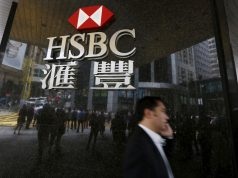
Fourteen years after the fact, the HSBC Mexican drug-cartel money-laundering case still defines a fault line in global banking. The numbers are stark. Billions of dollars in illicit funds flowed through HSBC’s U.S. operations. Mexican drug cartels used the bank. The compliance systems failed. Entirely.
The settlement came in 2012. HSBC paid $1.9 billion to avoid criminal prosecution. That deferred-prosecution agreement came with a five-year monitorship. A former U.S. prosecutor was put in charge of overseeing reforms. The terms were public. They were documented. They were supposed to fix the problem.
What was at stake then, and what remains at stake now, is straightforward: the integrity of the international financial system. Banks process trillions of dollars daily. They are the gatekeepers. When a bank the size of HSBC — one of the world’s largest — lets cartels wash blood money through its accounts, the gate is broken. The risk is not abstract. Cartels use that laundered cash to buy guns, pay sicarios, bribe officials. The money fuels violence. The violence kills people.
HSBC’s response after the settlement was to spend heavily. The bank hired new compliance staff. It installed new monitoring systems. It argued that these investments made a repeat unlikely. A legitimate claim, up to a point. The bank’s compliance budget today is far larger than it was in 2012. The number of anti-money-laundering personnel has grown. Systems have been upgraded.
Critics were not convinced. They argued the reforms did not go deep enough. The root causes — aggressive profit targets, weak oversight from senior management, a culture that prioritized revenue over rules — were not fully addressed. A monitorship, however strict, lasts only five years. After that, the bank is on its own. The pressure to cut costs returns. The temptation to look the other way returns.
The stakes for the broader industry are just as high. The HSBC case was a landmark. It showed that even a systemically important bank could be caught, could be fined, could be forced to change. But it also showed that the penalty, however large in dollar terms, was not existential. The bank survived. It kept its license. It kept its customers. Some in the industry read that as a signal: the cost of getting caught is high, but survivable. That is a dangerous message.
Money laundering is not a victimless crime. It is the financial oxygen for organized crime. Drug cartels, human traffickers, arms dealers — they all need clean money. Banks that fail to stop them are not neutral. They are enablers. The HSBC case proved that enablers can be billion-dollar enablers.
The five-year monitorship ended. The bank said it had learned its lesson. Compliance spending stayed high. But the question that lingers is one of culture. Systems can be bought. People can be hired. A culture of vigilance is harder to install. It requires that the people at the top genuinely believe that stopping dirty money matters more than the next quarter’s profit. That belief was absent in 2012. Whether it truly exists now is not something a monitorship can guarantee.
Fourteen years later, the case is a reference point. It is cited in every major anti-money-laundering review. It is taught in compliance courses. It is a warning. But warnings only work if they are heeded. The concrete risk remains: if the next HSBC-sized failure happens, the damage will be measured not just in fines, but in lives.