Iraq, May 6, 2022 — cyberinktimes.com — Five objects. Four possible birds. One possible missile.
That is the sum total of a newly declassified U.S. military report on unidentified aerial phenomena over Iraq — and it is precisely the ambiguity that makes the document worth a close read. The Mission Report, designated DOW-UAP-D10, was filed in May 2022 and released by the Department of War under its PURSUE archive.
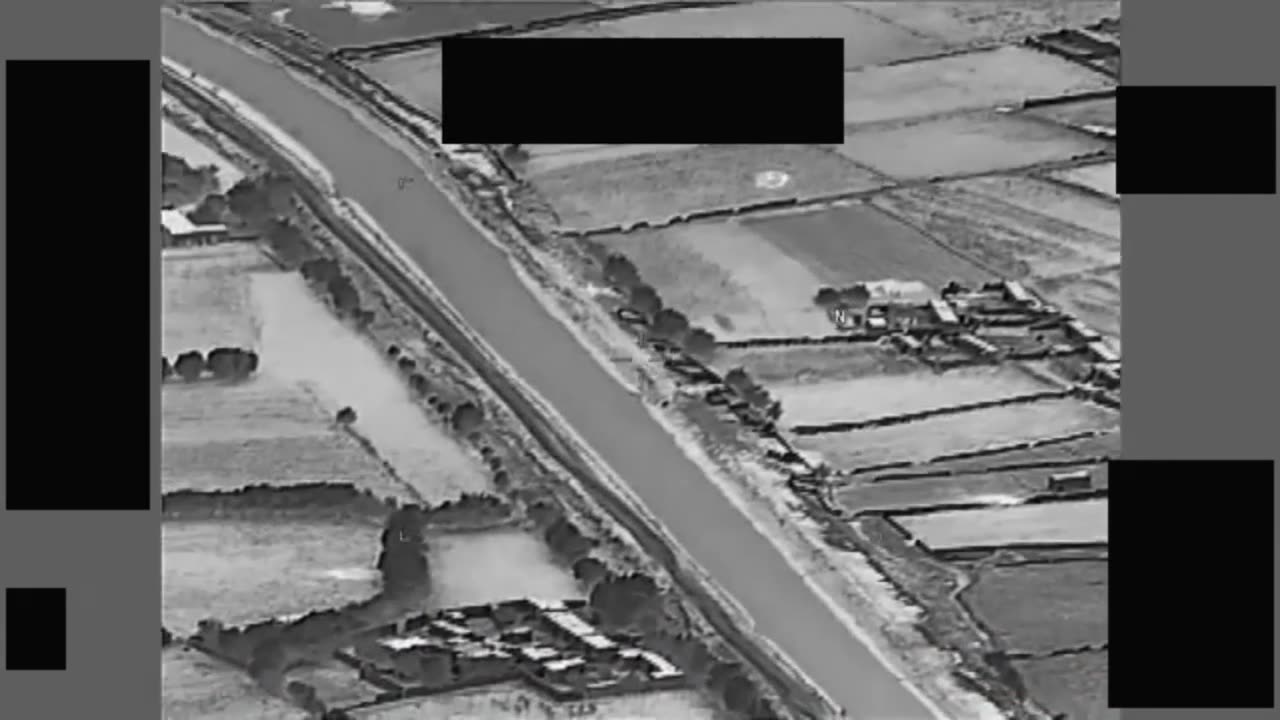
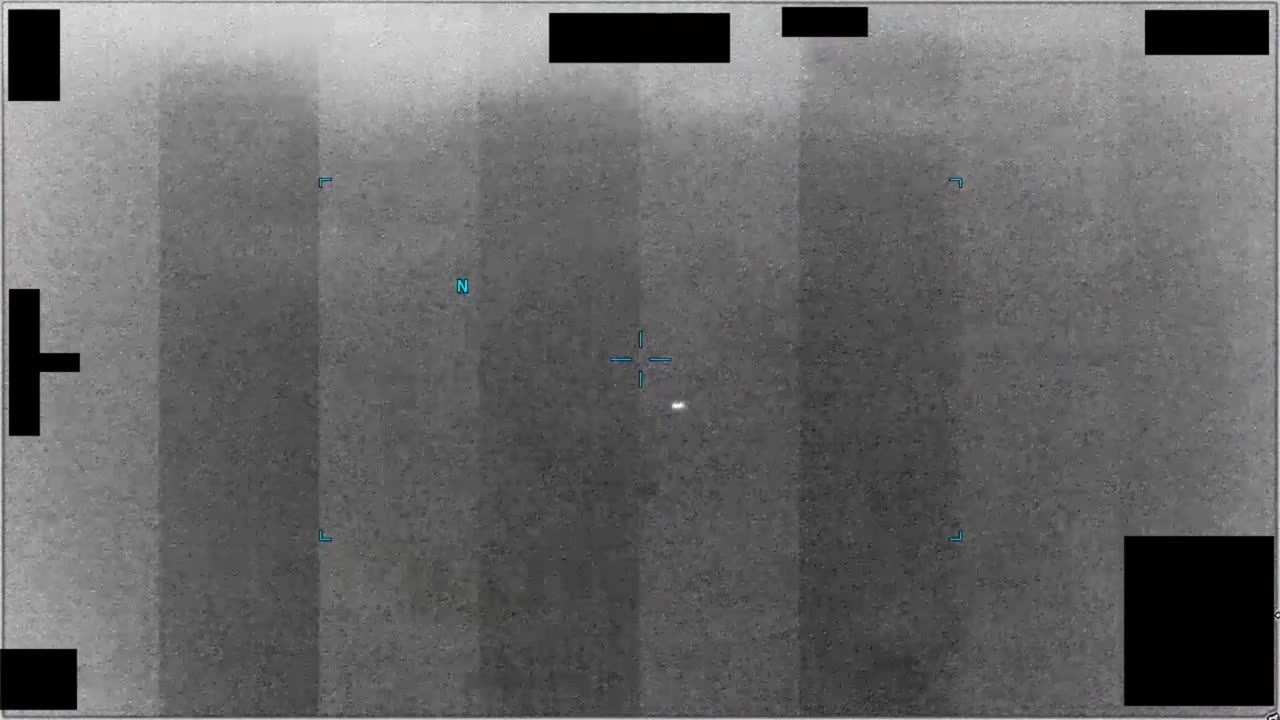
It covers a single operator, callsign “1.4a,” who was airborne over Iraq conducting signals intelligence and target development for Operation INHERENT RESOLVE. At 1514Z, the operator saw something: a single UAP, logged as Observation 1. But the official description from the Department of War tells a more complicated story.
The operator actually reported five objects crossing the screen. The report itself classifies four of those as “possible birds” and one as a “possible missile.” That distinction matters.
It suggests the operator, trained in SIGINT collection, was not jumping to conclusions. Birds and missiles behave differently. Birds are erratic, biological, slow.
Missiles are fast, straight, and man-made. The operator appears to have applied that real-time judgment. The document was declassified by Major General Richard A.
Harrison, USCENTCOM Chief of Staff, on October 7, 2025. That date is recent.
This is not a decades-old Cold War relic. It is a 2022 incident, from a conflict still ongoing, now open to public scrutiny. The report itself is a standard MISREP — a Mission Report format the military uses to record operational circumstances.
These forms are often the vehicle for reporting UAP to the All-domain Anomaly Resolution Office, or AARO. That means the system worked as designed.
An operator saw something, filed it, and it entered the official pipeline. Still, the content is thin. The narrative section is classified SECRET, releasable to the USA and FVEY partners.
The public sees only the barest outline. We know the mission began at 0246Z. We know the operator was collecting SIGINT.
We know that at 1514Z, the operator saw one UAP. The rest — the shape, the speed, the duration of the sighting, the altitude, the behavior of the other four objects — remains locked behind classification.
That is the pattern with these releases. The Department of War releases documents, but often with redactions, or with summaries that raise more questions than they answer. The PURSUE archive is an effort at transparency, but transparency has limits when operational security and intelligence methods are involved.
What is clear: a trained military operator, in a combat zone, reported seeing five objects. Four were written off as birds.
One was left ambiguous — a possible missile. That ambiguity is the story. It is not a clear alien craft.
It is not a confirmed Russian or Iranian drone. It is a data point, imperfect and unresolved, filed by a person in a cockpit at 1514Z on May 6, 2022. The Department of War has released hundreds of such reports.
Most are mundane. Some are not.
This one sits in the middle — too vague to be definitive, too specific to ignore. It is a snapshot of how the military actually handles the unknown: with a form, a callsign, and a note that says “possible.”