TEHRAN, June 9 — A rapidly escalating conflict is unfolding in the Middle East as the United States and Israel appear to be taking a strong stance against Iran, with the strategic Strait of Hormuz at the center of the tensions.
The situation is extremely fluid, with multiple factors at play, including the complex web of alliances and rivalries in the region, as well as the economic and geopolitical implications of the conflict. Iran’s government, long considered a hostile actor by the West, has been engaging in provocative behavior, including threatening to disrupt oil shipments through the Strait of Hormuz, a vital waterway that connects the Persian Gulf to the Arabian Sea.
Israel, which has long been at odds with Iran, is reportedly working closely with the United States to address the situation, with both countries sharing a deep concern about the potential consequences of Iran’s actions.
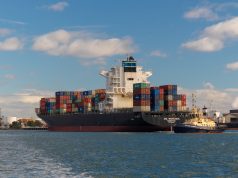
One key aspect of the conflict is the Strait of Hormuz itself, a narrow waterway that is the sole outlet for oil exports from Iran, Iraq, Kuwait, Qatar, and the United Arab Emirates, making it a critical chokepoint for global energy supplies. Hezbollah, the Iranian-backed militant group based in Lebanon, has also been drawn into the conflict, with reports suggesting that the group is preparing for potential action against Israel. No one knows what will happen next, but the United States and Israel are clearly taking a firm stance against Iran’s aggressive behavior.
The U.S. president has been briefed on the situation and is reportedly working closely with his national security team to develop a response to the escalating tensions, with a focus on protecting American interests and maintaining stability in the region. As the situation continues to unfold, it is clear that the conflict has the potential to have far-reaching consequences, not just for the Middle East, but for the global economy and international relations as a whole.
Experts are warning of a potentially catastrophic conflict, with some suggesting that the situation could spiral out of control if not managed carefully, and the international community is watching with bated breath as the situation develops.
Iran’s actions have been widely condemned by Western leaders, who see the country’s behavior as a clear threat to regional stability and global security, and the U.S. and its allies are likely to continue to take a strong stance against Iran’s aggression. The next 48 hours will be critical in determining the trajectory of the conflict, as the United States, Israel, and other key players work to address the situation and prevent further escalation.
For now, the world waits with bated breath as the situation in the Middle East continues to unfold, with the U.S. and its allies poised to take action to protect their interests and maintain stability in the region.