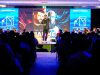
October 10, 2024 — cyberinktimes.com — Forget the car for a moment. The real story from Tesla’s October 10 event in 2024 might be the robot that walked out on stage. The company’s “We, Robot” event gave the public its first live look at the Optimus humanoid robot doing something more than standing still.
It moved. It interacted.
Tesla put it on display not as a concept sketch but as a working machine. That changes the conversation. For years, the narrative around Tesla has been about electric vehicles.
The Cybercab robotaxi unveiled at the same event fits that mold — an autonomous vehicle designed to move people without a driver. It is a big deal.
It is the product of years of work on self-driving technology and battery engineering. But the Optimus robot is a different bet entirely. It is a bet on general-purpose labor.
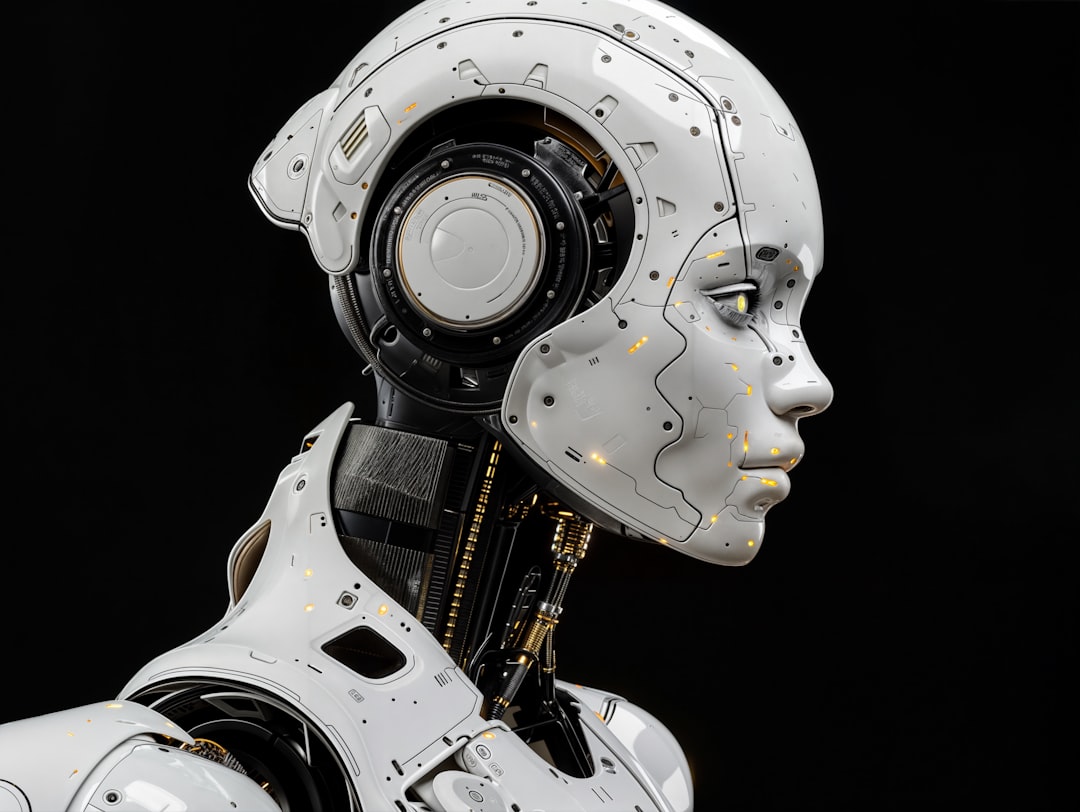
Think about what a humanoid robot can do. The report from the event notes that Optimus is designed to perform tasks in manufacturing and service industries. That is not a narrow application.
That is a machine that could, in theory, work on a factory floor, stock a warehouse shelf, or clean a hotel lobby. If Tesla can make that work at scale, the economic implications are enormous.
Labor shortages in developed economies are not going away. A robot that can do what a person does, without needing a break, without needing health insurance, is a product with a market that stretches across every industry. Tesla’s path to this point is worth remembering.
The company was founded in 2003 by Martin Eberhard and Marc Tarpenning. Elon Musk joined later, leading the first funding round in 2004 and becoming chairman.
Under his direction, the company built a reputation for pushing hard on technology that others called impossible. The Roadster. The Model S.
The Gigafactory. Each step was treated as a gamble. Each step eventually became a template the rest of the industry followed.
The Optimus robot and the Cybercab are the same kind of gamble. They are not sure things.
Autonomous driving has been promised for years and remains technically difficult. Humanoid robots are even harder — they have to balance, navigate messy human spaces, and handle objects that vary in shape and weight. Tesla is betting that the same engineering discipline that cracked electric vehicle production can crack these problems too.
The company’s name is a tribute to Nikola Tesla, the inventor who helped build modern electrical power systems. That choice was not accidental.
Nikola Tesla thought big. He thought about wireless power and global communication when the world was still stringing telegraph wires. Tesla the company operates the same way.
It announces products years before they are ready. It shows prototypes that may or may not reach production. It makes promises that sound like science fiction.
But the Optimus demonstration was not a promise. It was a machine moving on a stage.
That is real. That is hardware that exists. Where this leads is the open question.
If the Cybercab works as advertised, it reshapes urban transport. If Optimus works as advertised, it reshapes the entire economy of physical work.
Both are big ifs. But Tesla has a track record of turning big ifs into production realities. The company that built the first mass-market electric sedan is now building humanoid robots.
That is the story. Not a car. Not a taxi.
A robot that can walk into a factory and pick up a tool.