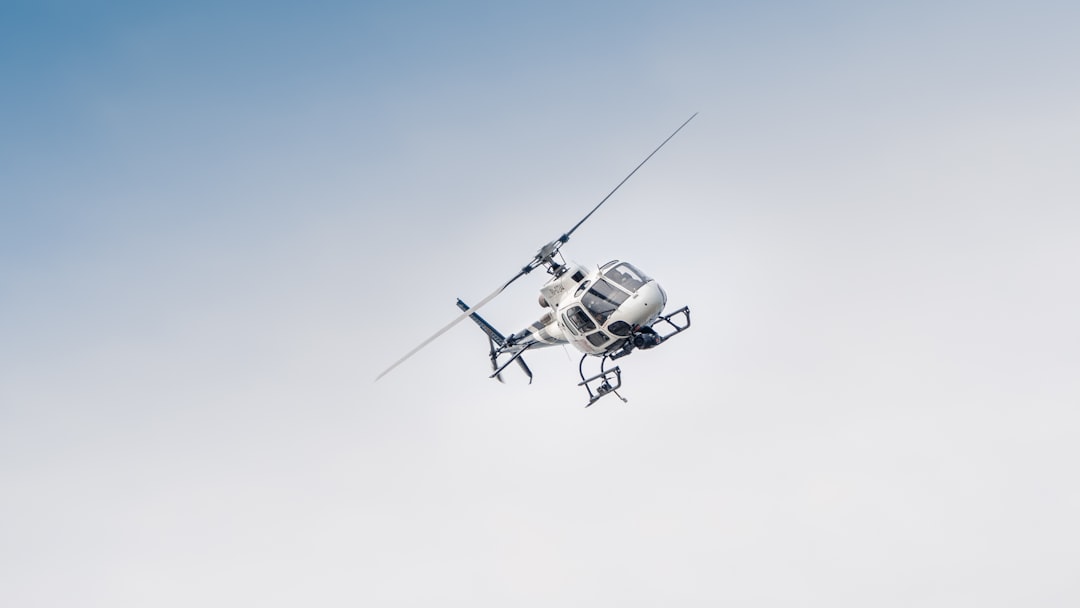
Yilan County, Taiwan, January 3, 2020 — cyberinktimes.com — Yilan County’s steep, forested ridges became a grave site on January 3, 2020. A UH-60M Black Hawk helicopter, operated by the Republic of China Air Force, slammed into the terrain. Eight senior defense officials died.
Among them was Air Force General Shen Yi-ming, the Deputy Minister of Defense. He had held the post for less than a year.
The crash wiped out a generation of Taiwan’s top military leadership in a single moment. That is not hyperbole. It is arithmetic.
General Shen was the Air Force commander. He was the number-two civilian at the Ministry of National Defense.
The other seven on board were high-ranking officers. They were the people who plan, command, and execute the island’s air defense strategy. Now they are gone.
Timing compounds the loss. The helicopter was on a routine mission ahead of the Chinese New Year. The holiday is a period of heightened vigilance for Taiwan’s armed forces.
China typically increases military activity around the Lunar New Year. Taiwan’s defense establishment needs its best people at their posts during that window.
Instead, their families were receiving confirmation of their deaths. The Ministry of National Defense held a press conference later that afternoon. They confirmed the fatalities.
They cited poor weather as a primary factor. The helicopter lost contact with aviation authorities shortly after departing.
The pilot attempted an emergency landing in rugged terrain. Rescue operations were difficult. The ministry did not offer a final cause.
That remains officially unclear. Pilot error, mechanical failure, or compounding environmental factors — all remain possibilities. This is standard procedure.
Military crash investigations take months. But the vacuum of immediate answers leaves a space that rumor and speculation fill quickly.
Five other people on the mission survived. That detail is easy to skip past. It should not be.
The Black Hawk carried thirteen people total. Eight died.
Five lived. The difference between life and death in that crash came down to a few feet of fuselage, a seat position, the angle of impact. Those five survivors are witnesses.
They carry the memory of the last seconds before the rotors stopped. This accident reshapes Taiwan’s defense leadership at a fragile moment. Regional tensions are not theoretical.
The People’s Liberation Army Air Force conducts regular incursions into Taiwan’s air defense identification zone. Taiwan’s own Air Force must scramble jets, maintain readiness, and keep its command structure intact.
Losing the top commander and his senior staff in a helicopter crash is a self-inflicted wound. No enemy action caused it. That makes the loss harder to absorb and harder to explain to the public.
The Black Hawk model itself is now under scrutiny. The UH-60M is a workhorse of modern militaries.
It is not invulnerable. Previous incidents involving military aviation in Taiwan have raised questions about maintenance, training, and weather planning. This crash will reopen those questions.
The Ministry of National Defense will face pressure to release findings quickly, even as investigators insist on thoroughness. For the families, the wait is agony. For the military, the immediate task is filling empty chairs.
General Shen’s successor will inherit a shaken command, an ongoing investigation, and the same operational demands that existed before the crash. The Chinese New Year mission that the helicopter was flying toward still needs to be executed.
The dead officers cannot be replaced overnight. Their experience, their institutional knowledge, their relationships with subordinate units — those are gone. The crash site sits in the mountains of northern Taipei.
Rescue teams had to fight the terrain to reach it. The recovery of remains took hours.
The investigation will take longer. The consequences will last years.