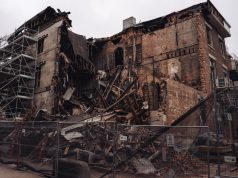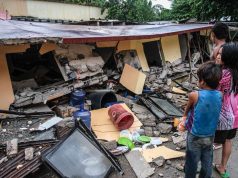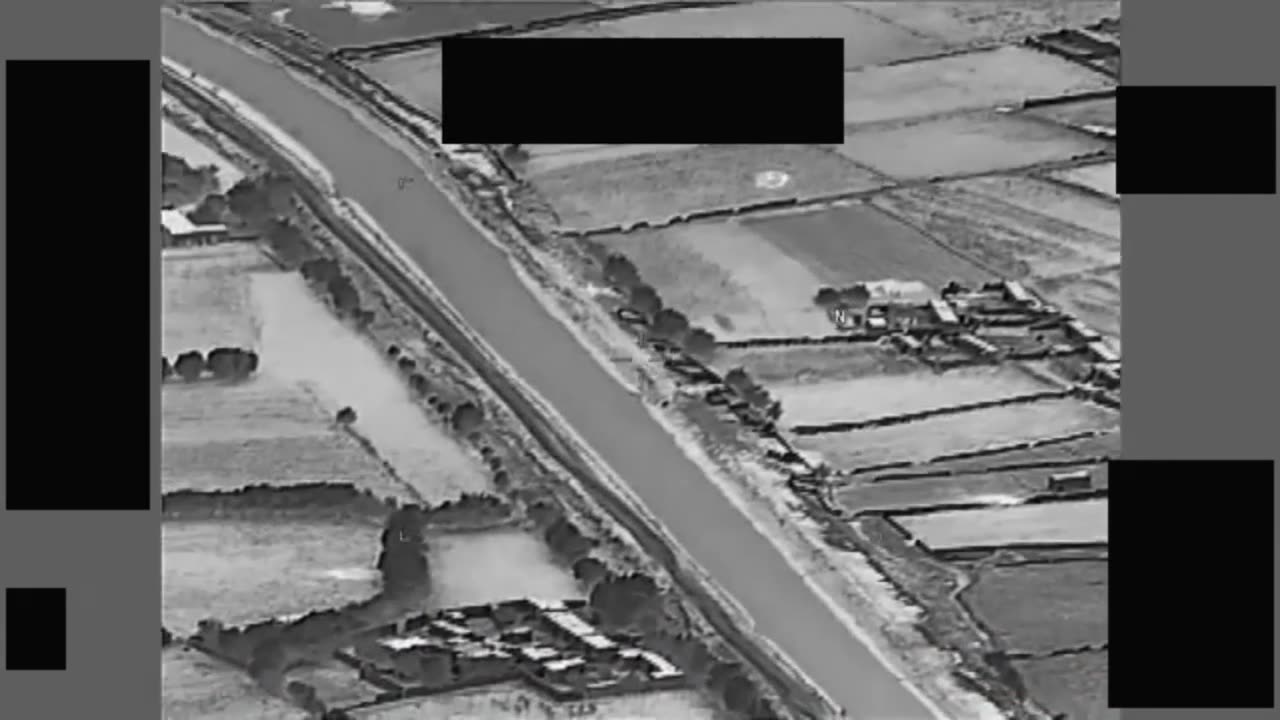
Santiago sits in a bowl. The Andes lock it in on one side, the Coastal Range on the other. Air gets trapped. So does traffic. On February 19, a truck blew up on one of the city’s main highways. Now, six days later, 12 people are dead. Nine are still in hospital. Five of them are in critical condition.
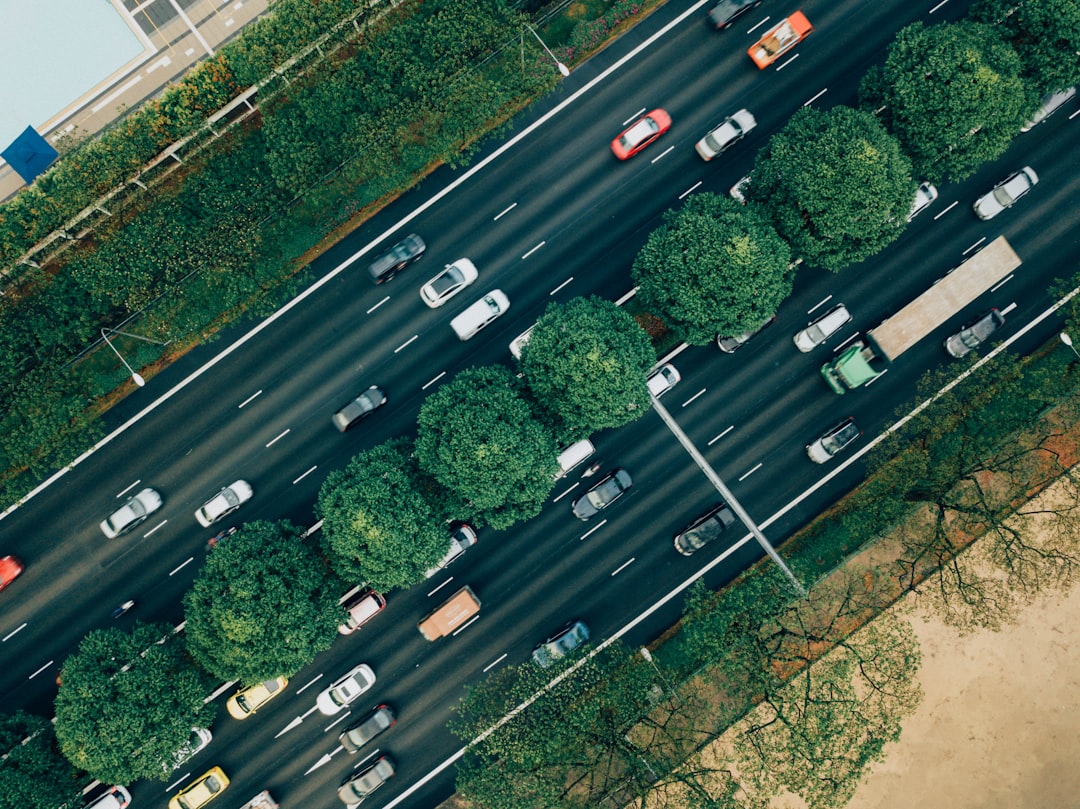
The highway is not just any road. It connects Santiago to the rest of Chile. Trucks use it. Commuters use it. Buses full of people use it. Every day, millions move through that corridor. One truck, one explosion, and the whole system seizes up.
Chile’s capital has over 5 million residents. It generates roughly 45% of the country’s GDP. That is a lot of economic weight sitting on a narrow valley floor. The city has been growing fast. More people means more trucks, more cars, more pressure on roads built decades ago. The explosion on February 19 did not happen in a vacuum. It happened in a city that has been urbanizing hard, pushing its infrastructure to the limit.
The authorities are investigating. They will look at the truck. They will look at maintenance records. They will look at whether traffic laws were followed. Regular vehicle inspections could catch problems before they turn into fireballs. Enforcement of traffic laws could keep unsafe trucks off the road. Those are basic measures. They are not always applied.
Then there is the bigger question. Santiago relies heavily on fossil fuels. Trucks run on diesel. Cars run on gasoline. The city’s geography makes pollution a chronic problem. The explosion has thrown a harsh light on the risks of that dependence. Not just the slow burn of smog, but the sudden, violent failure of a single vehicle carrying combustible material.
Renewable energy is an option. Solar and wind power are abundant in Chile. The Atacama Desert has some of the best solar radiation on the planet. Patagonia has wind. Shifting the transport sector toward electricity could reduce both the daily emissions and the risk of catastrophic fuel-related incidents. It would also cut energy costs over time. That is not a small thing for a city that accounts for nearly half the country’s economy.
But change is slow. Trucks are expensive. Electric trucks are more expensive. The charging infrastructure does not exist yet. And the highway still needs to function today. The same highway where 12 people died.
The explosion sent shockwaves through the community. That is what the reports say. It is easy to understand why. A normal commute turns into a disaster. People on their way to work or home do not expect to be killed by a truck. The city is now left asking what went wrong and how to stop it from happening again.
Thorough investigation is the first step. Improved road safety is the second. Alternative transportation is the longer game. None of it brings back the 12. But it might keep the next truck from turning a highway into a killing ground.