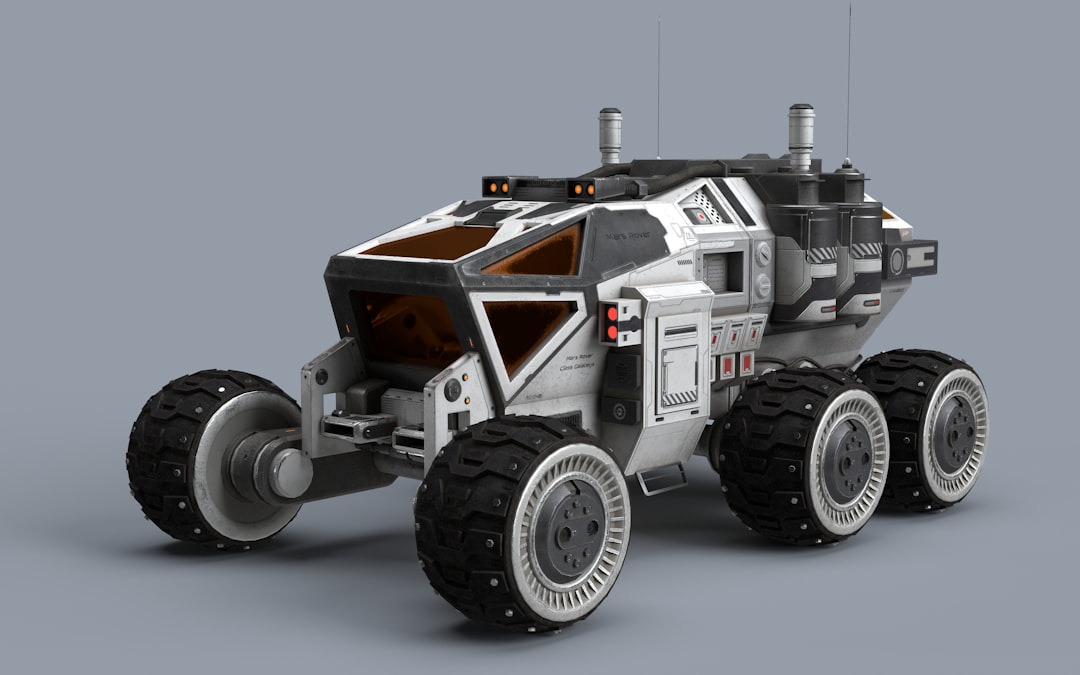
Mars is a long way from a garage, and the Perseverance rover has now been out there for over three years. Last week, it stopped to take a picture of itself. Not a quick snap. The rover used its arm-mounted WATSON camera to capture 61 separate images, then stitched them together into a single self-portrait. The result is a high-resolution look at the rover itself, sitting in front of a rocky outcrop called Arethusa.
That outcrop is the real point. Perseverance had just abraded the surface of Arethusa, grinding away the outer layer to expose fresh rock. The rover was preparing that spot for spectroscopic analysis — the kind of chemical reading that tells scientists what the rock is actually made of. The selfie, for all its visual appeal, is a practical document. Engineers back on Earth will study it to check the condition of the rover’s instruments and mechanical systems. After years of dust, radiation, and extreme temperature swings, hardware needs inspection. A picture is the cheapest way to do it.
This is routine work for a rover that has been searching for signs of ancient microbial life since 2021. Perseverance is also collecting samples. Those tubes of rock and soil are meant to be picked up by a future mission and returned to Earth, possibly within the next decade. Every abrasion, every spectroscopic reading, every selfie adds to the data package that will accompany those samples home.
The 61-image stitch is a technical feat. The WATSON camera sits on the end of the rover’s robotic arm. To capture a full self-portrait, the arm has to move into multiple positions, taking overlapping shots that a computer later assembles into a seamless whole. The process is slow and deliberate. It is also a sign of how far robotic exploration has come. The first Mars rovers, Sojourner and Spirit and Opportunity, could take pictures. They could not do this.
Arethusa sits in the foreground of the image. It is a rocky feature that the science team chose for a reason. The abrasion exposed a fresh surface, free of the windblown dust that coats everything on Mars. That dust masks the true composition of the rocks underneath. By grinding it away, the rover gives its spectrometers a clean target. The analysis that follows will tell scientists whether the rock formed in a wet environment, whether it contains organic molecules, whether it is the kind of place where life might once have existed.
The selfie also gives the public something to look at. That is not trivial. Mars exploration is funded by taxpayers, and a striking image keeps the mission visible. But the real audience for this picture is a small group of engineers and scientists at NASA’s Jet Propulsion Laboratory. They will zoom in on the rover’s wheels, its drill, its antenna, looking for signs of wear. They will check the position of the arm joints. They will compare this image to earlier selfies, looking for changes.
Perseverance is not done. It has a long drive ahead, toward the edge of Jezero Crater, where an ancient river delta once spilled sediment into a lake. The rover will continue to abrade rocks, take spectra, and collect samples. It will also keep taking selfies. Each one is a status report, a geological record, and a reminder that a machine built by humans is doing science on another planet. That is the story the 61 images tell, if you know how to read them.