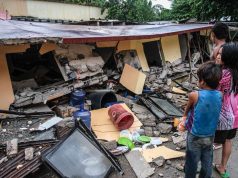

Japan, February 4, 2026 — cyberinktimes.com — Japan is reeling from severe weather that has claimed the lives of 35 people, with at least 400 others injured, according to the latest figures from the Japanese government. The heavy snowfall has brought parts of the country to a standstill, with emergency services working around the clock to rescue those trapped and provide aid to affected areas. The severity of the weather has caught many off guard, highlighting the importance of being prepared for extreme weather events.
The Japanese government has mobilized all available resources to deal with the aftermath of the severe weather, with a focus on providing medical aid to the injured and supporting those who have lost their homes. The full extent of the damage is still being assessed, but it is clear that the country will take some time to recover from this disaster.
As the people of Japan come to terms with the impact of the severe weather, there is a growing recognition of the need to protect the environment and prevent such disasters from occurring in the future. Severe weather events like the one that has struck Japan are a stark reminder of the power of nature and the importance of preserving the natural balance of our planet. The effects of severe weather can be devastating, from the loss of life and property to the long-term damage to ecosystems and the environment.
As the world becomes increasingly urbanized, the need to protect the environment and promote sustainable development becomes more pressing. By investing in renewable energy sources and reducing our reliance on fossil fuels, we can help to create a more sustainable future and reduce the risks associated with severe weather events.
Understanding Severe Weather
Severe weather is a complex and multifaceted phenomenon that can take many different forms, from high winds and hail to excessive precipitation and wildfires. The type and severity of severe weather events vary depending on the latitude, altitude, topography, and atmospheric conditions of a given region. In Japan, the heavy snowfall has been caused by a combination of cold air from the north and moisture from the Pacific Ocean, resulting in a perfect storm of severe weather.
By studying these events and understanding the underlying causes, scientists and policymakers can work together to develop strategies for mitigating the impact of severe weather and promoting a cleaner, more sustainable environment. As Japan begins the long process of recovery and rebuilding, there is a growing recognition of the need to prioritize environmental protection and sustainable development.
This includes investing in renewable energy sources, such as solar and wind power, to reduce the country’s reliance on fossil fuels and promote energy security. By promoting sustainable development and reducing waste, Japan can help to create a more resilient and sustainable environment, better equipped to withstand the impacts of severe weather events. The road to recovery will be long and challenging, but by working together and prioritizing the health of the planet, Japan can emerge from this disaster stronger and more sustainable than ever before.
Looking to the future, it is clear that severe weather events like the one that has struck Japan will continue to pose a significant threat to communities around the world. By prioritizing environmental protection and sustainable development, we can help to reduce the risks associated with these events and promote a cleaner, more sustainable future.
As the world continues to urbanize and the global population grows, the need to protect the environment and promote sustainable development will become increasingly pressing. By working together to address these challenges, we can help to create a brighter, more sustainable future for all, and ensure that our planet remains a thriving and vibrant home for generations to come.