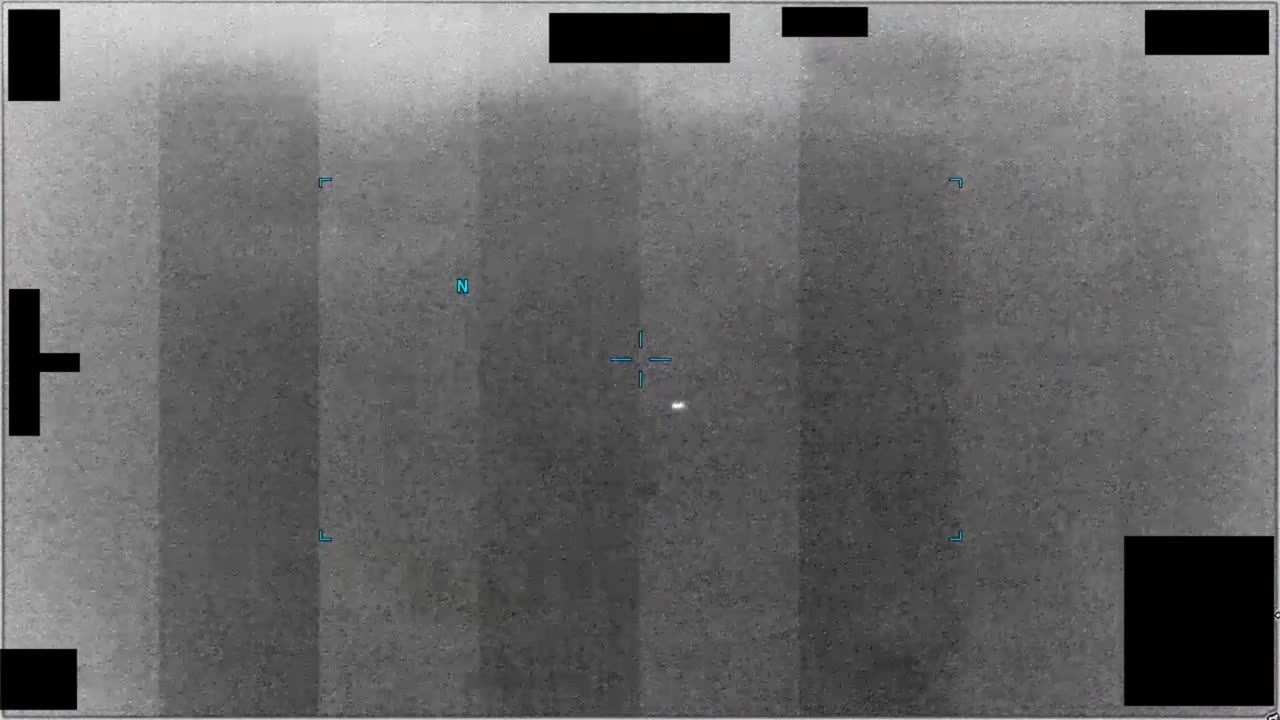
It took two years for the public to see what a Coast Guard sensor saw in thirty seconds over the Gulf of Mexico. The Department of War declassified the video on April 24, 2024, under its PURSUE policy framework, designation PR66. That policy, formally the Policy for Unidentified Aerial Phenomena Review and Systematic Evaluation, is the bureaucratic engine behind releases like this one. It mandates that UAP-related materials get declassified when possible. This video was possible.
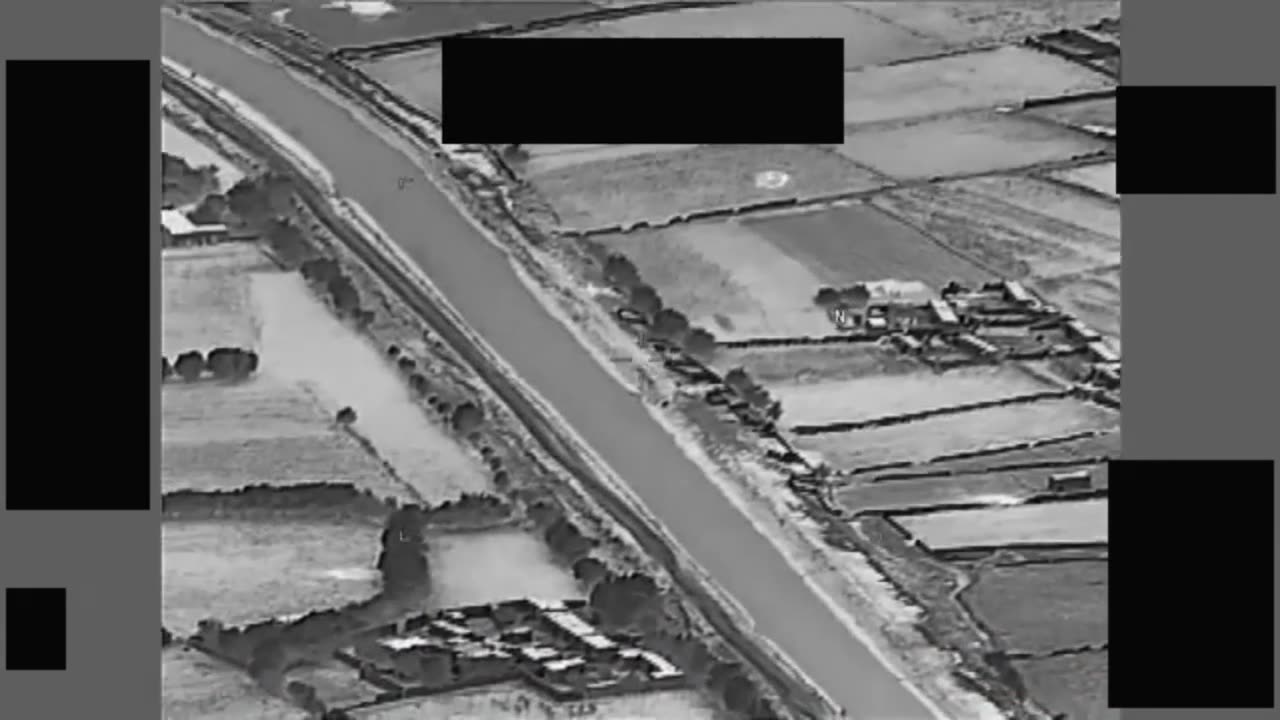
The footage itself is short and specific. A single object, shaped like a tic tac, recorded in infrared by a Coast Guard C-144 aircraft. The C-144 is a variant of the C-130 Hercules, built for maritime patrol. The aircraft was near Tyndall Air Force Base, Florida. The sensor was in infrared mode. The object showed no thermal signature beyond ambient background levels. That detail has stuck with analysts. No heat. No obvious engine. No exhaust.
The object operated at an altitude consistent with military training airspace. But no aircraft or drone activity was logged for that time and location. The Department of War has not identified the object. It has not attributed it to any known technology. The report that accompanied the video says as much. Analysts described the shape as a tic tac, a term that entered the public lexicon after the 2004 Nimitz encounters. Cylindrical. No wings. No rotors. No visible propulsion.
The release is part of a broader push. The All-domain Anomaly Resolution Office, or AARO, sits under the Office of the Secretary of Defense. It was established to centralize UAP investigations across the military. The PURSUE policy gives it teeth for declassification. This video is one result. There will be others, or so the framework promises.
Why this matters now is the context. The Gulf of Mexico is not a remote patch of ocean. It is heavily trafficked. Military airspace, commercial shipping lanes, oil platforms, civilian aviation. A sensor picking up an object with no logged traffic and no heat signature in that environment is not a trivial data point. It is a gap in coverage. The Coast Guard crew saw something. The sensor recorded something. The analysts have no answer.
The filename itself tells a story: dow-uap-pr066-uscg-c-144-tyndall-uap-1-tic-tac-ir-hot-24-april-2024. That string encodes the date, the platform, the sensor mode, the shape classification, the policy designation. It reads like a case file. Because that is what it is. A case file, opened, reviewed, and pushed out the door.
The DoW has not speculated publicly. No press conference. No statement beyond the report. The video speaks for itself, and it speaks in infrared. The object is bright against a dark background. It moves. It does not behave like a bird or a commercial jet. It does not behave like a drone with a conventional thermal signature. It behaves like an object that does not generate its own heat, at least not in the spectrum the sensor was tuned to see.
The PURSUE policy was designed for moments like this. A clear recording. A plausible military platform. A lack of identification. The policy says: release it. So they did. Two years later, the public gets to look at a tic tac over the Gulf, logged by a Coast Guard crew, filed by the Department of War, and left unexplained.