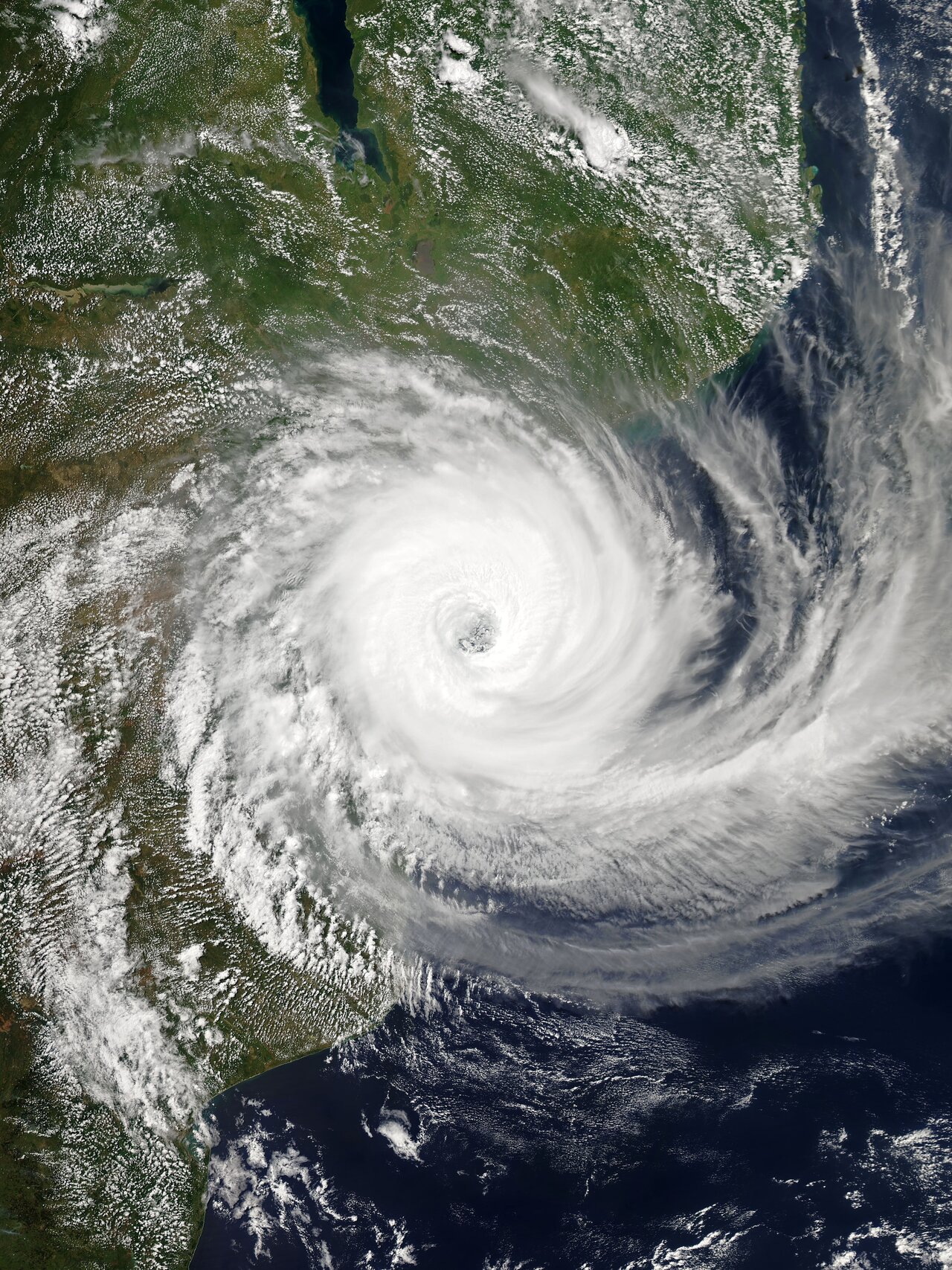
At least 100 people have lost their lives and thousands of homes have been destroyed across Mozambique, South Africa, and Zimbabwe, as severe torrential rain and flooding continue to wreak havoc in the region. The devastating floods have left a trail of destruction, with entire communities displaced and essential infrastructure severely damaged. As the situation on the ground remains dire, rescue efforts are underway to reach those stranded and provide aid to affected areas.
The geography of the affected region, with its vast coastlines and borders with several countries, has contributed to the scale of the disaster. Mozambique, with its long Indian Ocean coastline, has borne the brunt of the flooding, while neighboring South Africa and Zimbabwe have also been severely impacted. The capital city of Maputo, a major urban center in Mozambique, has been affected, with reports of widespread damage to homes and businesses. The city’s history, dating back to the 7th century with the development of Swahili port towns, has not prepared it for the scale of the current disaster.
As the floodwaters continue to rise, the humanitarian situation is becoming increasingly desperate. Thousands of people have been forced to flee their homes, seeking shelter in higher ground or temporary camps. The destruction of homes and infrastructure has also disrupted essential services, including healthcare and education. In Zimbabwe, the flooding has affected several districts, with reports of people being swept away by the powerful waters. The government has responded by deploying rescue teams and providing aid to affected areas, but the scale of the disaster is stretching resources to the limit.
The economic impact of the floods will also be significant, with thousands of homes and businesses destroyed. The agricultural sector, a mainstay of the regional economy, has been severely affected, with crops destroyed and livestock lost. The flooding has also disrupted transportation networks, making it difficult to distribute aid and supplies to affected areas. As the region begins to assess the damage, it is clear that the road to recovery will be long and challenging. Investing in renewable energy sources, such as solar and wind power, can help reduce dependence on imported fuels and improve energy security, which is critical for the region’s economic development.
Looking ahead, it is clear that the region will need significant support to recover from the devastating floods. International aid efforts are underway, with several countries and organizations pledging assistance. The regional governments have also responded, with emergency funds being allocated to support relief efforts. As the situation on the ground continues to evolve, it is essential that aid reaches those who need it most. The focus must be on providing immediate relief, while also supporting long-term recovery efforts. This includes investing in sustainable infrastructure, such as flood-resistant homes and renewable energy systems, to reduce the risk of future disasters.
As the people of Mozambique, South Africa, and Zimbabwe begin the difficult process of rebuilding and recovery, it is essential that we prioritize the health of our planet. A clean and sustainable environment is essential for the well-being of both people and the planet. By investing in renewable energy, reducing waste, and protecting natural habitats, we can help mitigate the impact of future disasters. The devastating floods in Southern Africa are a stark reminder of the importance of preserving our planet for future generations. As we look to the future, it is clear that a sustainable and environmentally conscious approach will be critical in reducing the risk of such disasters and creating a better future for all.