Bangkok, May 30, 2025 — cyberinktimes.com —
Thailand’s Cannabis Reversal: How a Promised Green Rush Turned to Dust
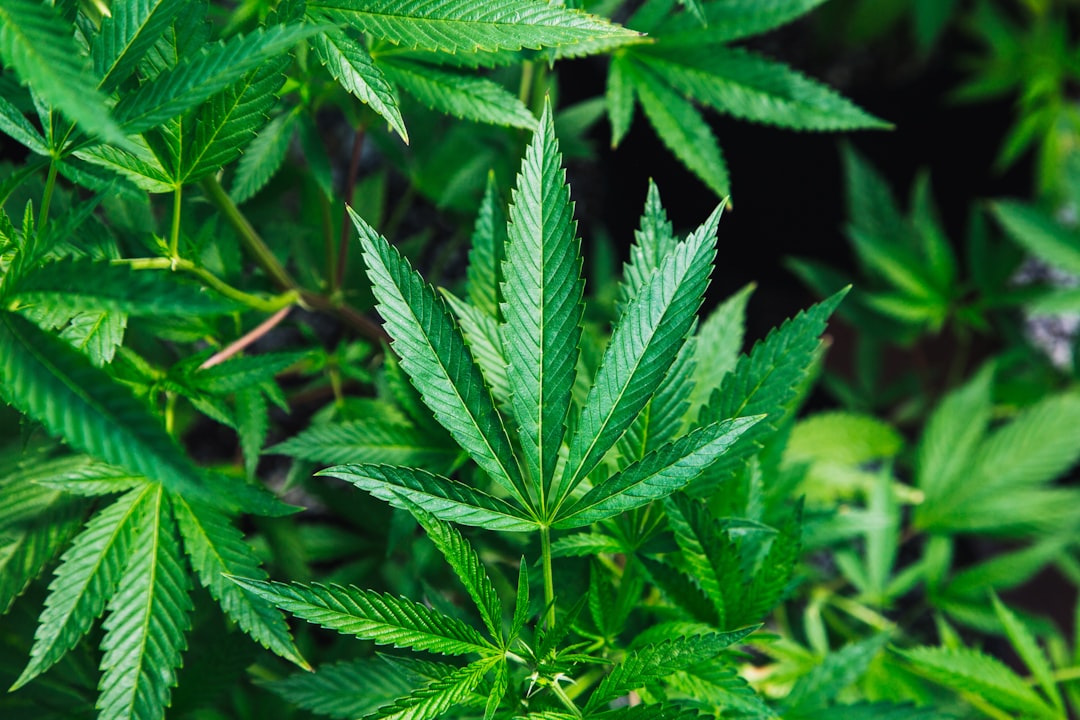
BANGKOK — For a brief window, Thailand was the cannabis poster child of Southeast Asia. Farmers ripped out rice paddies for hemp fields. Investors poured cash into processing plants.
The government talked up tax revenues and a billion-baht industry by 2025. Then, on July 25, 2024, the plug was pulled.
The new administration cited public health. Medical groups had warned of addiction risks and unregulated markets for months. Industry stakeholders pointed to the promised jobs and agricultural revival.
The debate was fierce. But in the end, the health concerns won.
Commercial cultivation and sales were halted. All pending licenses for commercial production were suspended immediately. This was not a slow fade.
It was a hard stop. The legal framework for medical use remains technically in place, but it now sits under strict new oversight. For the thousands of smallholder farmers who bet everything on the green rush, that technicality offers little comfort.
They invested in infrastructure. Irrigation systems.
Processing equipment. Crops now sit in the ground that cannot be sold on the open market. The economic projections that had lured them in — billions of baht to the national economy by 2025 — are now in jeopardy.
Stock market reaction was swift. Shares of major agricultural conglomerates tied to hemp dropped sharply within hours of the announcement.
Investors who bought land and machinery based on the previous administration’s promises are now facing lawsuits and bankruptcy proceedings. They are trying to recoup losses from a policy that flipped overnight. How did Thailand get here?
The country legalized cannabis in a progressive wave, touting it as a cash crop for the rural poor. The old government saw tax revenue and agricultural jobs. It was a bet on economic growth over public health caution.
That bet paid off, briefly. The sector boomed.
Then the new government arrived with a different set of priorities. The tension between those two visions — economic opportunity versus public health risk — never resolved. It just got settled by a change in power.
Medical groups had warned about addiction risks and the potential for unregulated markets. Their voices grew louder as the election neared.
The new administration listened. Now, thousands of farmers and processors face financial ruin. The infrastructure they built — the irrigation systems, the processing lines — sits idle or near idle.
The legal medical market remains open but is now under a microscope. It is a narrow lifeline, not a replacement for the commercial trade that was promised. Industry analysts had projected a sector worth billions of baht by next year.
That number is no longer credible. The sudden shift has created significant uncertainty for investors who had staked their portfolios on a booming hemp sector.
The lawsuits and bankruptcies are just beginning. This is not a story about bad business decisions. It is a story about policy whiplash.
Thailand’s cannabis industry was built on a political promise. When the politics changed, the foundation cracked.
Farmers who followed the law now find themselves holding crops the law will not let them sell. Investors who trusted government signals now face ruin. The new administration has made its choice.
Public health comes first. But the cost of that choice is being borne by the people who believed the old promises. The fields are still green.
The crops are still there. But the market is gone.