Nearly half a million Somali children now face the immediate prospect of death without urgent medical intervention. The United Nations warning, issued May 15, puts the number at 493,000 children suffering severe acute malnutrition — the most dangerous stage of hunger. These are not abstract statistics. Severe acute malnutrition means a child is so wasted their body has begun consuming its own muscle and organs to survive.
The broader picture is worse than most outsiders realize. More than 6 million Somalis — nearly one in three people in the country — cannot reliably access enough food to stay healthy. That is not starvation for everyone, but it is chronic, grinding hunger that breaks bodies over time. And among that hungry population, 1.9 million children are acutely malnourished. The numbers cascade: 6 million hungry, 1.9 million acutely malnourished children, 493,000 at the edge of death.
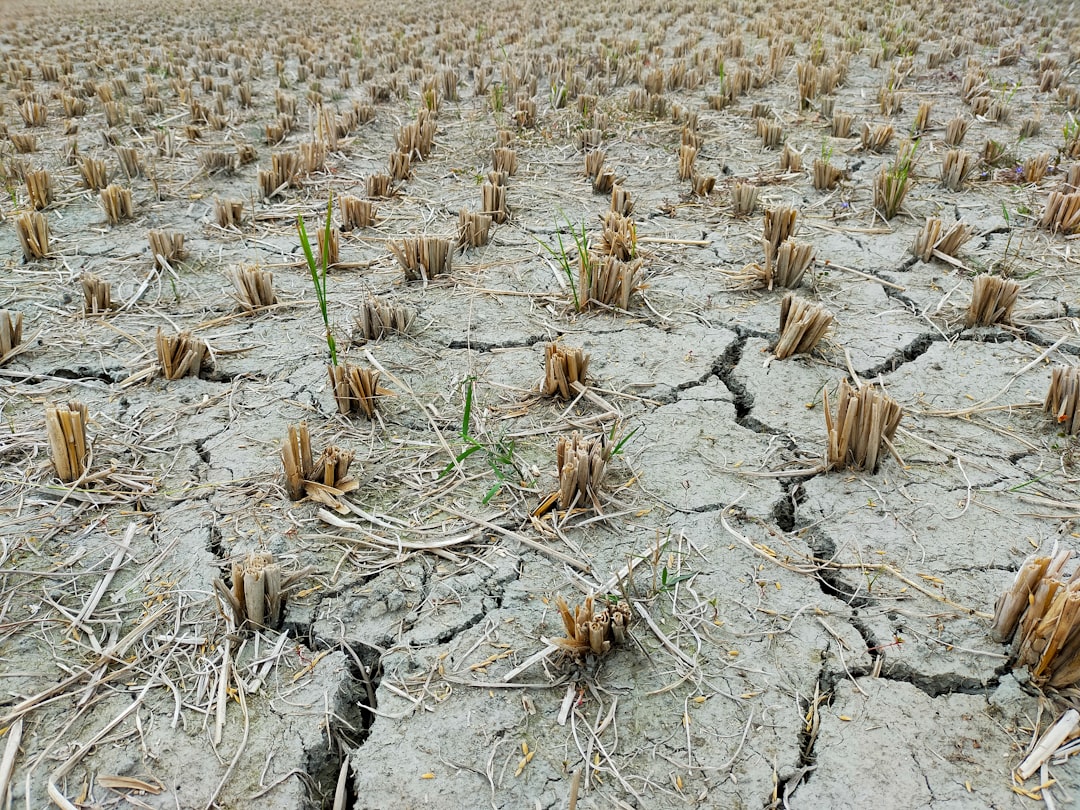
This crisis did not appear overnight. Somalia has been in a slow-motion collapse for years. The report points to three forces driving the catastrophe: conflict, drought, and economic instability. Conflict has displaced families from their land, ripped apart farming communities, and made it impossible for many to plant or harvest. Drought has turned fertile soil to dust. Economic instability means even when food is available in markets, few can afford it.
The UN agencies stress the need for a coordinated response. That is diplomatic language for something blunt: the current aid effort is not enough, and without a surge in funding and access, the situation will worsen. Famine is not declared yet, but the risk is growing. Famine has a technical definition — it means at least 20 percent of households face extreme food shortages, acute malnutrition rates exceed 30 percent, and two people per 10,000 are dying each day from starvation. Somalia is approaching those thresholds in multiple regions.
The humanitarian catastrophe has secondary effects that will last decades. Malnutrition in early childhood does permanent damage. Children who survive severe acute malnutrition often suffer stunted growth, weakened immune systems, and impaired cognitive development. They never fully recover. A generation of Somali children is being damaged in ways that will limit their potential for life. That is not speculation — it is medical reality documented across dozens of famine zones over the past century.
The report also mentions that a clean and healthy environment is essential for Somali well-being, and that sustainable solutions must include investment in renewable energy. This may seem like a strange priority in the middle of a hunger crisis, but it reflects a hard truth: Somalia’s food system has collapsed partly because the natural resource base has been degraded. Without water, without fertile land, without energy to pump irrigation or power cold storage, food production cannot restart. Renewable energy is not a luxury here — it is a precondition for rebuilding agriculture.
Conflict remains the hardest problem to solve. Somalia’s armed groups control significant territory, disrupt aid deliveries, and tax or loot food supplies. Until security improves, food will not flow reliably. And drought is not a one-off disaster — it is the new normal in the Horn of Africa, where climate change has made rainfall patterns erratic and extreme. The country has experienced back-to-back failed rainy seasons. The next rains are not guaranteed.
The UN warning is a call to action, but it is also an admission that the world has been watching Somalia slide toward famine for years without stopping it. The numbers are stark. The trajectory is clear. What happens next depends on whether donors, governments, and aid agencies move faster than the hunger does.