The Department of War released a declassified report Thursday covering unresolved unidentified aerial phenomena encounters from 2020 in the Middle East. The document, filed under the PR45 series, landed as part of the PURSUE policy framework. It was processed by the All-domain Anomaly Resolution Office, or AARO, in coordination with the Office of the Secretary of Defense.
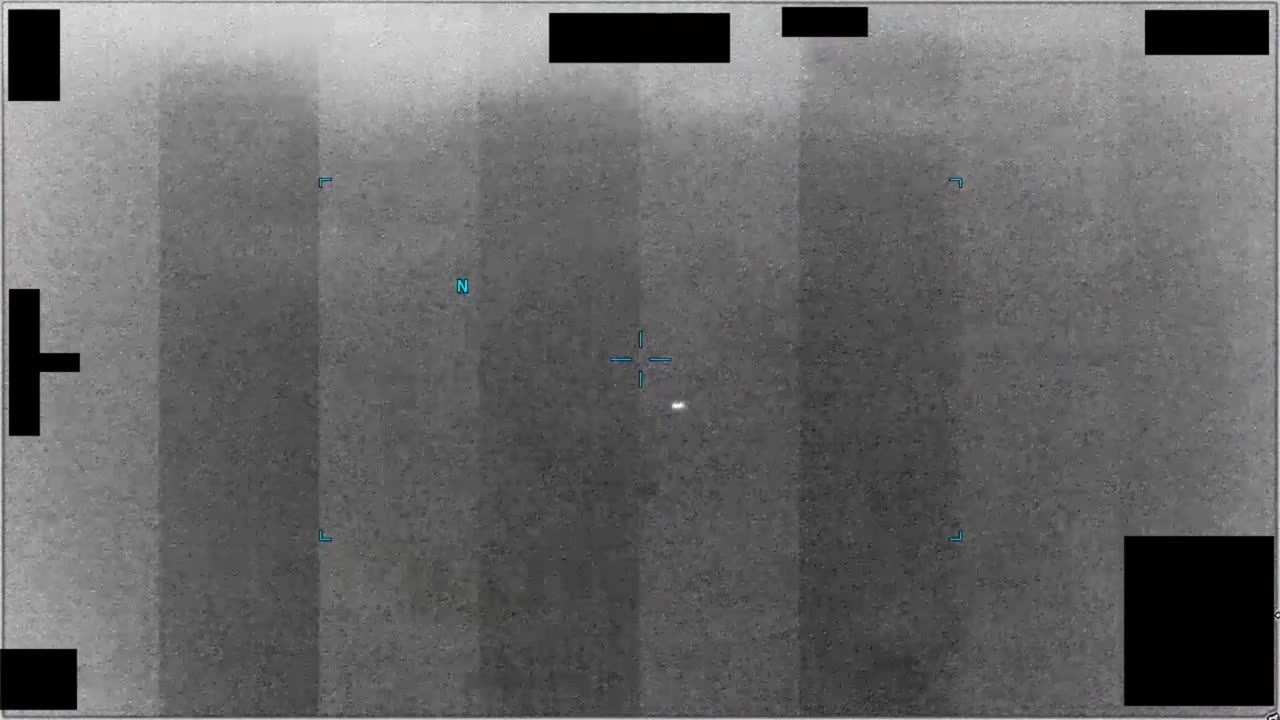
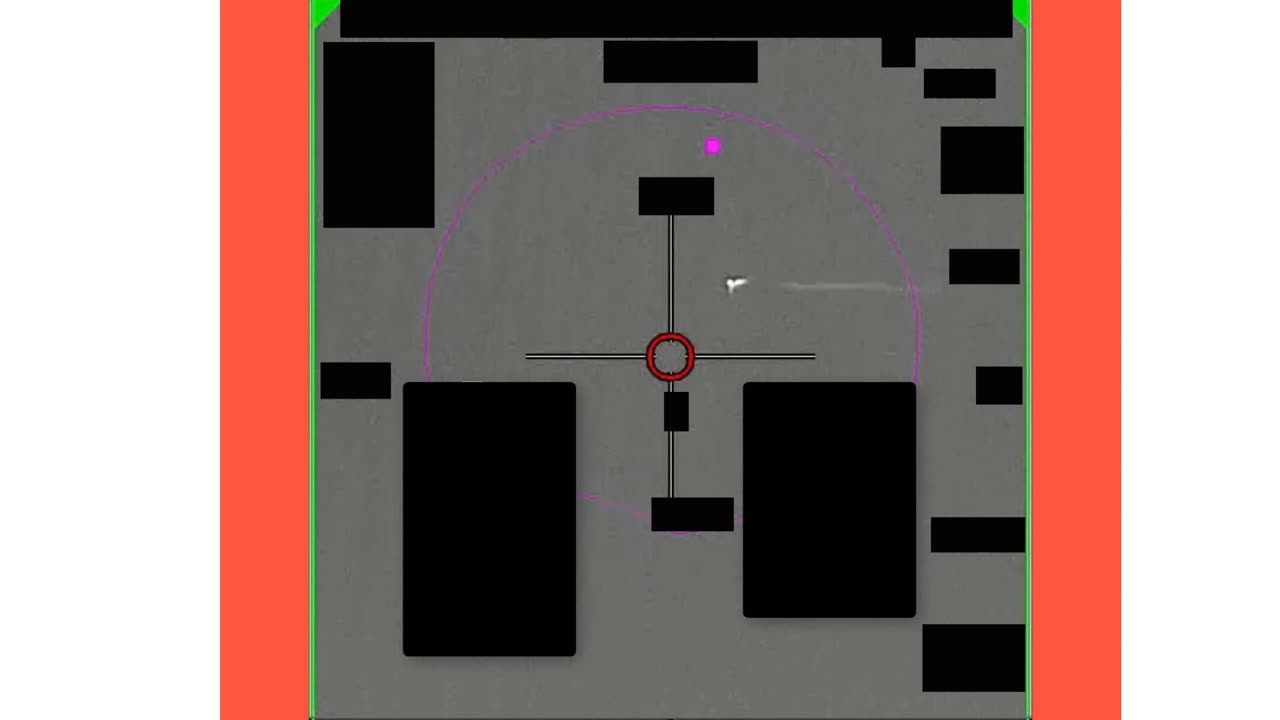
The report does not name the specific military platform involved. It says the encounters happened during routine operations in the region. Multiple sensors picked up the UAP — radar and electro-optical/infrared systems both detected them. The objects displayed flight characteristics that did not match known aircraft or environmental phenomena.
Here is the key detail that runs through the entire document: the encounters are labeled “unresolved.” That is not a bureaucratic shrug. It is a formal classification. It means that after initial analysis, no conventional explanation was determined. Not weather. Not birds. Not drones. Not sensor glitches. Unresolved.
The filename — dow-uap-pr45-unresolved-uap-report-middle-east-2020 — makes the classification explicit. It is part of a series. The PR45 designation suggests this is one report among several the Department of War has produced under that code. The report does not specify exactly how many events occurred. It does not provide raw footage or imagery. What it does include is technical metadata from the sensor files — timestamps and geolocation data.
The Department of War did not claim the objects were extraterrestrial. It did not claim they were advanced foreign technology. The release is part of ongoing transparency efforts under the PURSUE policy, which aims to standardize UAP reporting and analysis across military branches. AARO was established in 2022 to coordinate collection and analysis of these phenomena.
This is a 2020 report. It was declassified and released now, in 2026. The gap matters. For six years, the data sat. The encounters remained unresolved. The report does not say whether further analysis happened after 2020. It does not say whether the events were ever resolved later. It says only that initial analysis found no conventional explanation.
The Middle East is a region where U.S. military operations have been constant for decades. Routine operations there involve a dense web of sensors. If something appears on radar and electro-optical systems simultaneously, and it does not match known aircraft, and it does not match weather, and it does not match birds — that is a signal. The report treats it as a signal worth documenting, not as a mystery to be dismissed.
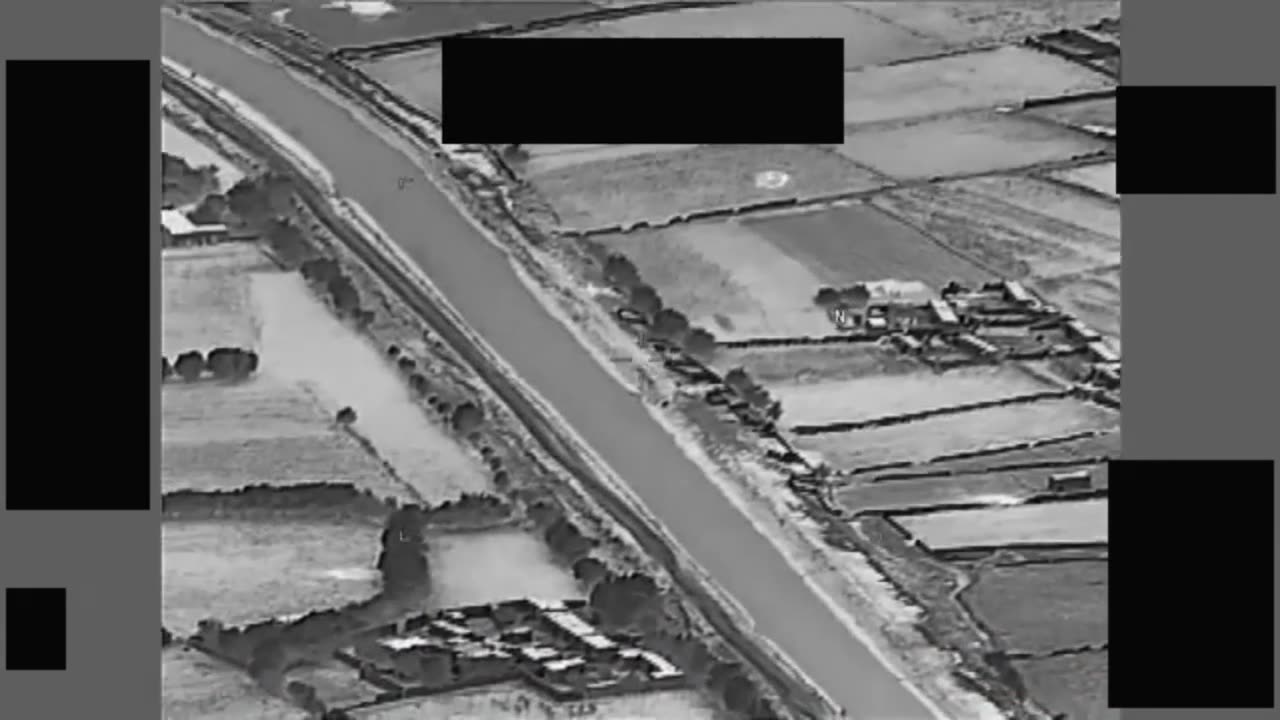
There is no raw footage in the release. That is a choice. The report includes technical metadata but not the imagery itself. The Department of War did not explain why the footage was withheld. The metadata — timestamps and locations — is there. The pictures are not.
The PURSUE policy was designed to create a standardized pipeline for these reports. This document is a product of that pipeline. It is not a conclusion. It is a record of an open question. The question has been open since 2020.
AARO now holds the file. The office was stood up in 2022 specifically to handle cases like this. Whether AARO has done anything with the data since then is not stated in the report. The report itself is the product of initial analysis. It does not claim to be the final word.
The Department of War framed the release as transparency. That is the official line. The document exists. It was classified. Now it is not. The encounters remain unresolved. The report does not say what happened next.