Mali, December 6, 2023 — cyberinktimes.com — For years, Mali has wrestled with malaria. Now, dengue fever is forcing its own reckoning. As of early December 2023, the country has recorded 600 cases and at least 21 deaths from the mosquito-borne virus.
The numbers, reported by health authorities, mark a notable escalation in a nation already straining under a fragile health system. Dengue is not new to West Africa.
It circulates quietly in many tropical and subtropical zones, often mistaken for other fevers. But this outbreak has pushed it into the open. Dr. Samba Sow, a leading epidemiologist in Mali, says the situation is under close watch.
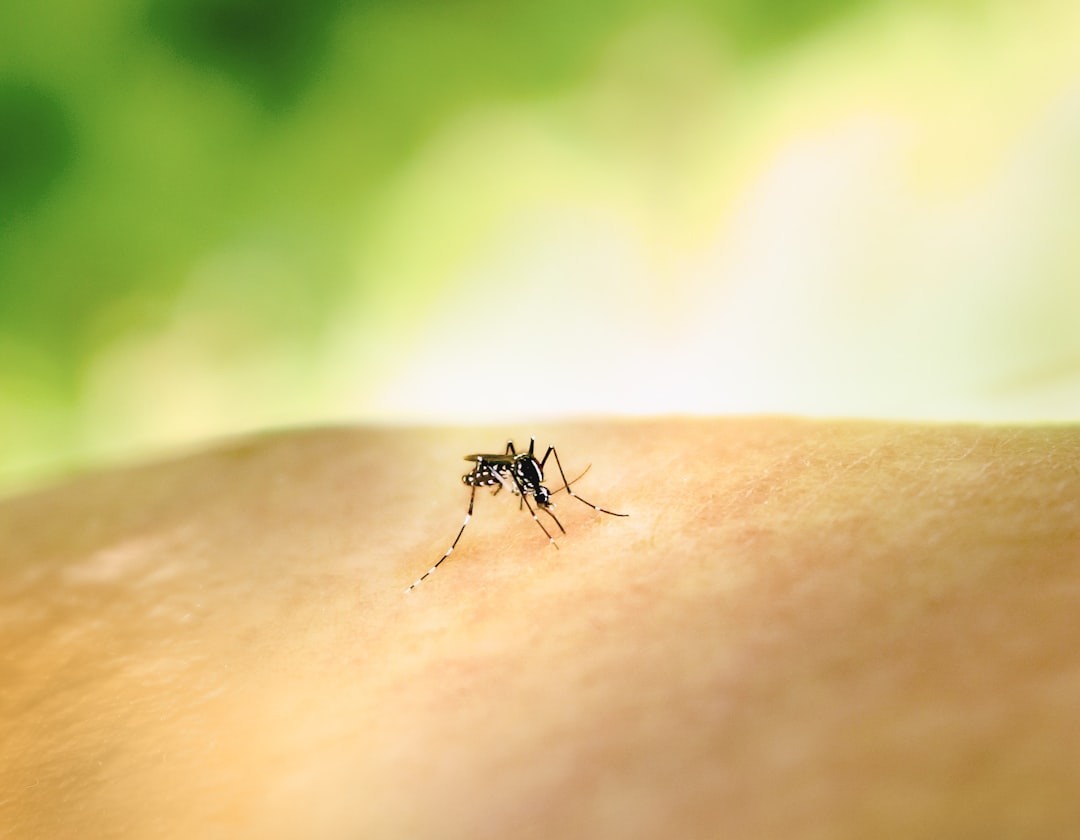
The goal is to stop it from spiraling into a wider crisis. The virus spreads through the bite of infected mosquitoes, primarily Aedes species.
These insects breed in standing water—in old tires, uncovered barrels, clogged gutters. In Mali’s urban centers, where water storage is a daily necessity, the conditions are ripe. The disease incubates in three to 14 days.
Symptoms hit hard: high fever, pounding headache, vomiting, muscle and joint pain, and a rash that itches. Most people recover in a week. But a small fraction slip into severe dengue—a brutal turn marked by bleeding, plummeting platelet counts, leaking blood plasma, and blood pressure that drops dangerously low.
Doctors once called it dengue hemorrhagic fever or dengue shock syndrome. Dr. Ogobara Doumbo, a researcher based in Mali, stresses that recognizing the severity of the disease is the key to treatment.
If caught early, supportive care can save lives. If missed, the toll rises. The World Health Organization has stepped in.
Working with local authorities, it is pushing two basic tactics: destroy mosquito breeding sites and spray insecticides. But these measures only go so far.
Communities must buy in. Dr. Matshidiso Moeti, WHO Regional Director for Africa, argues that community-based initiatives are essential to cutting transmission. Without local cooperation, spraying and cleanup campaigns lose their punch.
This outbreak comes at a difficult time. Mali is navigating political instability, security threats, and a health system that was already stretched before the pandemic. Dengue adds another layer.
It is a disease that thrives where sanitation falters and where public health infrastructure is thin. The country has seen sporadic dengue cases before, but a surge of this size signals something has changed.
Researchers are also looking ahead. New technologies are being explored to combat the disease—better diagnostics, more targeted mosquito control, even vaccines. But those tools are not yet widely available in Mali.
For now, the fight remains basic: find the water where mosquitoes breed, drain it, and protect people from bites. The 21 deaths are a stark figure, but they may not tell the full story.
Dengue is underreported in many parts of Africa. Mild cases go untreated. Severe cases can be misdiagnosed.
The true burden is likely higher. Health officials are trying to improve surveillance, but that takes resources—trained staff, lab capacity, reliable data systems. Mali is not alone.
Dengue is rising across the region. Climate change, urbanization, and population movement are pushing the virus into new areas.
What happens in Bamako matters for the whole Sahel. If containment fails here, the pattern could repeat elsewhere. For now, the focus is on the basics.
Kill the mosquitoes. Educate the public.
Treat the sick. The next weeks will tell whether those efforts hold the line—or whether the outbreak deepens.