The Pentagon’s new UAP archive, PURSUE, has yielded its first concrete indication that the military is tracking more than just odd lights in the sky. A declassified report from the Department of War, dated May 2022, describes an American ISR aircraft watching what it calls a “probable SU-27/35” land at Al Assad Airbase in Iraq. The stakes here are not theoretical. They involve a Russian fighter jet operating on an Iraqi runway where U.S. troops are stationed.
The document, originally classified SECRET and declassified on October 8, 2025, by U.S. Central Command Chief of Staff Major General Richard A. Harrison, provides a timeline of an intelligence, surveillance, and reconnaissance mission. The aircraft took off from Sigonella Airbase in Italy. It operated over the Eastern Mediterranean and Iraq. At 0011Z, the crew noted “one possible small UAP was observed.” Roughly an hour later, at 0117Z, they spotted “one probable SU-27/35 landing IYO Al Assad AFLD.” The phrase “IYO” is military shorthand for “in the vicinity of.” The report does not say whether the aircraft was on the ground or in the air when first seen, but the observation was clear enough to list the SU-27/35 as a “probable” identification.
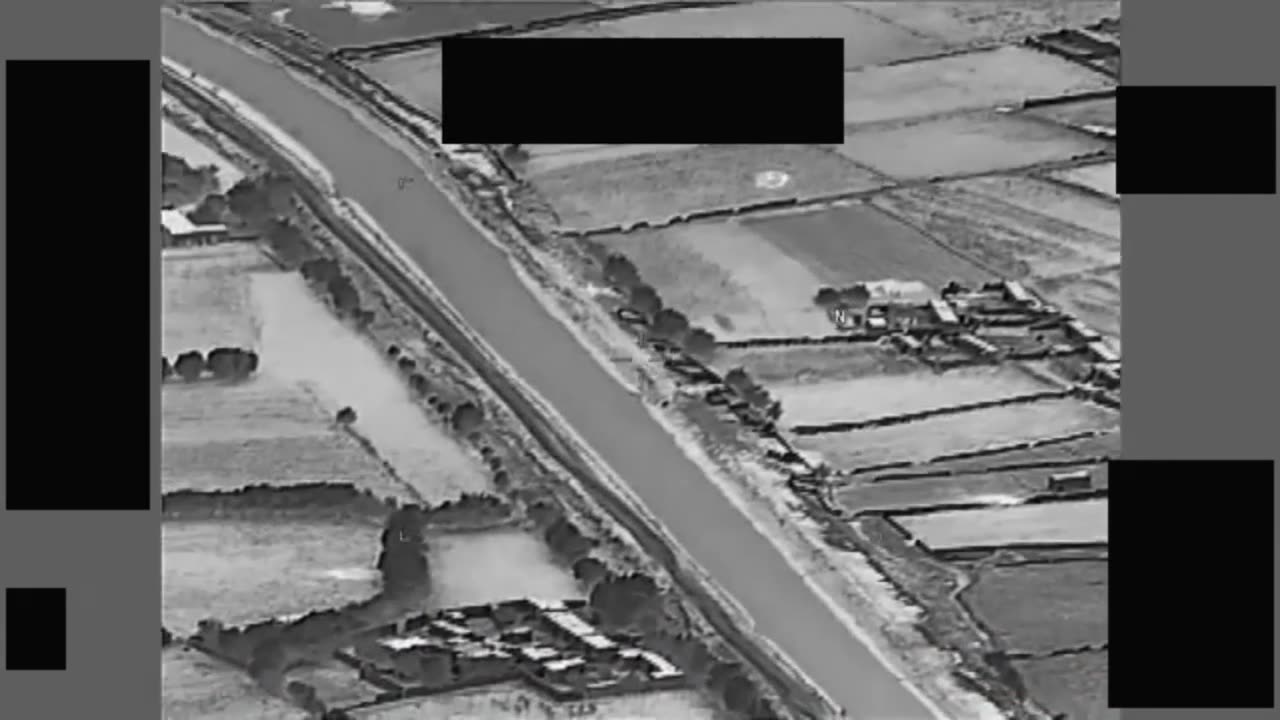
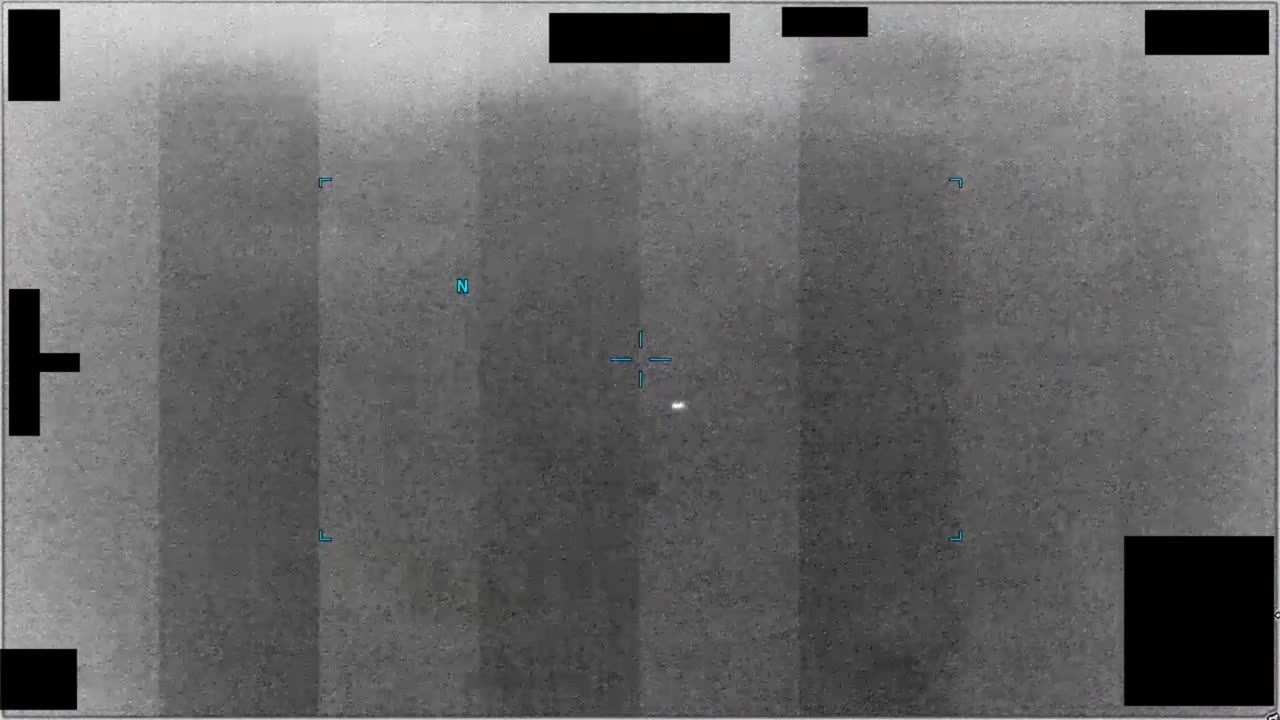
The All-domain Anomaly Resolution Office, or AARO, reviewed the submission. It consisted of ten seconds of infrared video footage and a mission report. The official description of the video states it “depicts two areas of contrast moving together near the ce” — the text cuts off there in the released document. The SU-27 and SU-35 are fighter jets operated by the Armed Forces of the Russian Federation. Neither the Iraqi government nor the Russian government has acknowledged such an aircraft being at Al Assad in May 2022.
What is genuinely at risk here is the credibility of the Pentagon’s own reporting channels. If a Russian combat aircraft landed at a base shared with U.S. forces — and the military classified the sighting as a UAP rather than a straightforward incursion — then the system for flagging hostile activity may be broken. The report was filed as an “unresolved” UAP case. That designation means the object was not identified with certainty. But the document itself calls it a “probable” SU-27/35. The gap between what the aircrew suspected and what the bureaucracy labeled is wide enough to drive a tank through.
The PURSUE archive was created to increase transparency around military encounters with anomalous phenomena. This is the first release under that program that involves a known Russian aircraft type. It raises the question — which the report does not answer — of whether the crew’s identification was overruled or simply left unresolved due to lack of corroborating data. The ten-second video clip is short. It may not show enough detail to confirm the aircraft’s identity. But the mission report, written by the crew at the time, clearly states what they thought they saw.
Al Assad Airbase is not a minor facility. It hosts U.S. and coalition personnel. A Russian jet landing there, even briefly, would represent a significant breach of operational security. The Department of War document does not explain what happened after the landing. It does not say whether the aircraft departed, how long it stayed, or whether any action was taken. The report is dated May 2022. It was declassified in October 2025. For more than three years, this incident sat classified as a SECRET UAP case. Now it is public. The absence of follow-up in the document is itself a fact worth noting.