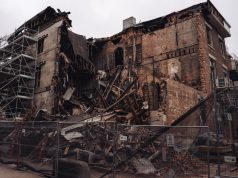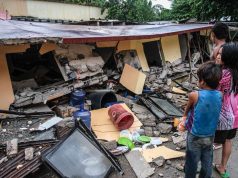
Chegutu, September 29, 2023 — cyberinktimes.com — The rescue teams are still pulling men from the rubble in Chegutu. The count so far: twenty-one out alive, nine dead, four still missing. The hole in the ground is quiet now.
The families are not. The collapse hit on September 29.
The mine is in Mashonaland West, a region where the earth gives up gold and the earth also takes. Miners go down in the morning. Some do not come back up.
This time, the numbers are brutal. Nine dead.
Four trapped. Twenty-one saved. The math is cold, but the aftermath is not.
Local authorities have promised help. Counseling services. Financial assistance.
Those are the words they use. But for the families in Chegutu, the real question is when that help arrives and whether it will be enough to cover a funeral, a lost wage, a child who no longer has a father.
The community is rallying. That is what communities do. They bring food, they pray, they wait for news of the four still underground.
The rescue operation is still running. That means there is still hope for the trapped men.
It also means the scene is active, dangerous, and unresolved. The cause of the collapse is still unknown. Investigations take time.
But in a region where safety regulations are often weak or unenforced, the cause is not a mystery to the men who work those tunnels. They know the risks. They go down anyway.
They have families to feed. This incident has pushed the mining industry back into the spotlight.
Zimbabwe relies on its mines. Gold, platinum, diamonds. The country needs the revenue.
But the cost is counted in bodies. The debate is old and tired: safety versus survival.
Miners need jobs. Companies need profits. Regulators need to enforce rules.
After a collapse like this, the calls for accountability get louder. They will get louder still if the four trapped men are found dead. The environmental side of this is not quiet either.
Mining scars the land. Collapses crack the ground open, sometimes leak chemicals, sometimes poison water.
The report flagged environmental concerns. Those concerns do not fade when the rescue trucks drive away. The hole stays.
The ground stays unstable. The next rainy season could wash debris into local streams.
The long-term damage is harder to see than the bodies, but it is real. What to watch next. The rescue operation will end, one way or another.
Then the investigation begins. The government will likely announce a commission or a task force. That is standard.
Whether that leads to real change is a different story. The families will push for answers.
The media will push for transparency. The mining companies will push back against costly new regulations. That is the pattern.
For now, Chegutu is in mourning. Twenty-one men are home.
Nine families are planning funerals. Four families are still waiting for news. The mine collapse is a number in the news.
For those families, it is a life that ended or a life that hangs in the balance. The rescue teams keep working. The community keeps waiting.
The rest of the country watches and wonders when the next collapse will come.