Bogotá, June 8, 2025 — cyberinktimes.com — Bogotá sits on a seismic knife-edge. The city’s location in the Andean highlands has always made ground-shaking a matter of when, not if. On June 8, 2025, the when arrived.
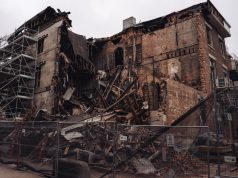
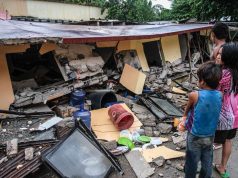
A 6.3 magnitude earthquake struck near the capital, injuring more than 25 people. The number of hurt could climb.
Rescue teams are still working. The quake hit a city that is the political, economic, industrial, and cultural hub not just of Colombia but of northern South America. Founded on August 6, 1538, by Spanish conquistador Gonzalo Jiménez de Quesada, Bogotá is a territorial entity of the first order.
It holds the same administrative status as Colombia’s departments. That status means its own government runs the response.
The national government has activated emergency protocols. Officials are coordinating aid. But the scale of the event is testing systems built for routine tremors, not a 6.3 jolt.
Hospitals and medical facilities are treating the injured. That is the immediate priority. Beyond the emergency rooms, authorities are assessing damage to buildings and infrastructure.
Bogotá’s building codes are designed for seismic activity. The codes exist because the geography demands them.
The city lies in the Andean highlands, a region where tectonic plates collide. Those collisions produce earthquakes. The June 8 quake was powerful enough to cause widespread concern among residents and visitors.
People ran into the streets. Some stayed outside for hours.
The event is not a surprise to geologists. The Andes are a young mountain range, still rising. The Nazca plate is shoving itself under the South American plate.
That process creates constant stress. Sometimes the stress releases in small, unnoticed tremors. Sometimes it releases in a 6.3 earthquake that sends 25 people to hospitals.
The city’s emergency preparedness measures are designed to mitigate the impact. But mitigation has limits.
A quake of this severity presents significant challenges. Rescue teams are working to assist those affected. The focus is on medical attention and support.
Bogotá is the country’s largest city. It is the main political, administrative, industrial, technological, scientific, medical, educational, and airport center.
A disruption here ripples outward. The economy depends on the city running. The airport is a gateway for the continent.
The hospitals are regional centers. When the ground shakes in Bogotá, the whole country feels it. The Colombian government has activated its emergency response protocols.
Officials are coordinating relief efforts to ensure aid reaches those who require it. That coordination is happening in real time.
The city’s founding date—August 6, 1538—is a marker of deep history. But the ground beneath that history is unstable. The Spanish chose the highlands for defense and climate.
They built on a seismic zone. Modern engineers have tried to adapt.
Building codes have been updated. Emergency drills are routine. Still, the June 8 quake shows the gap between preparation and reality.
More than 25 people are injured. The number could grow. The priority remains the safety and well-being of the people of Bogotá and surrounding areas.
That is the official line. It is also the truth.