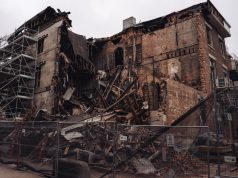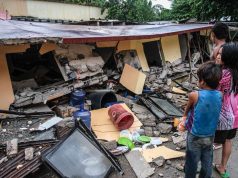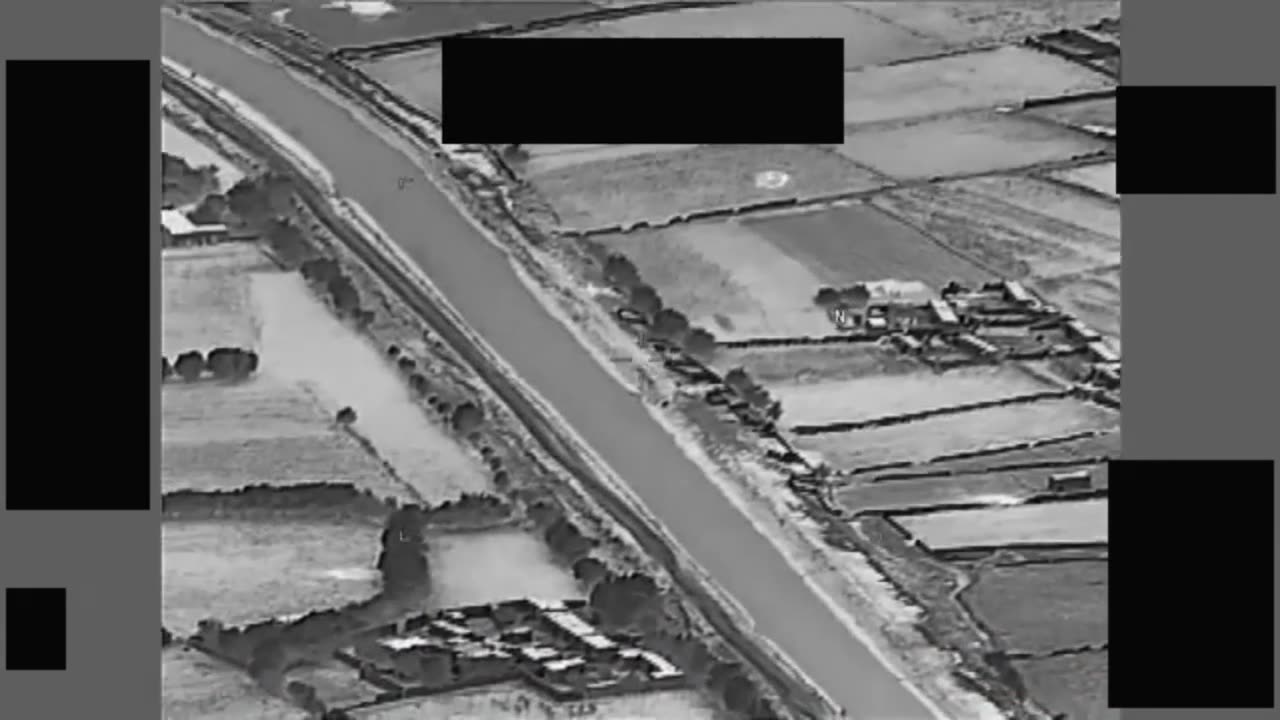
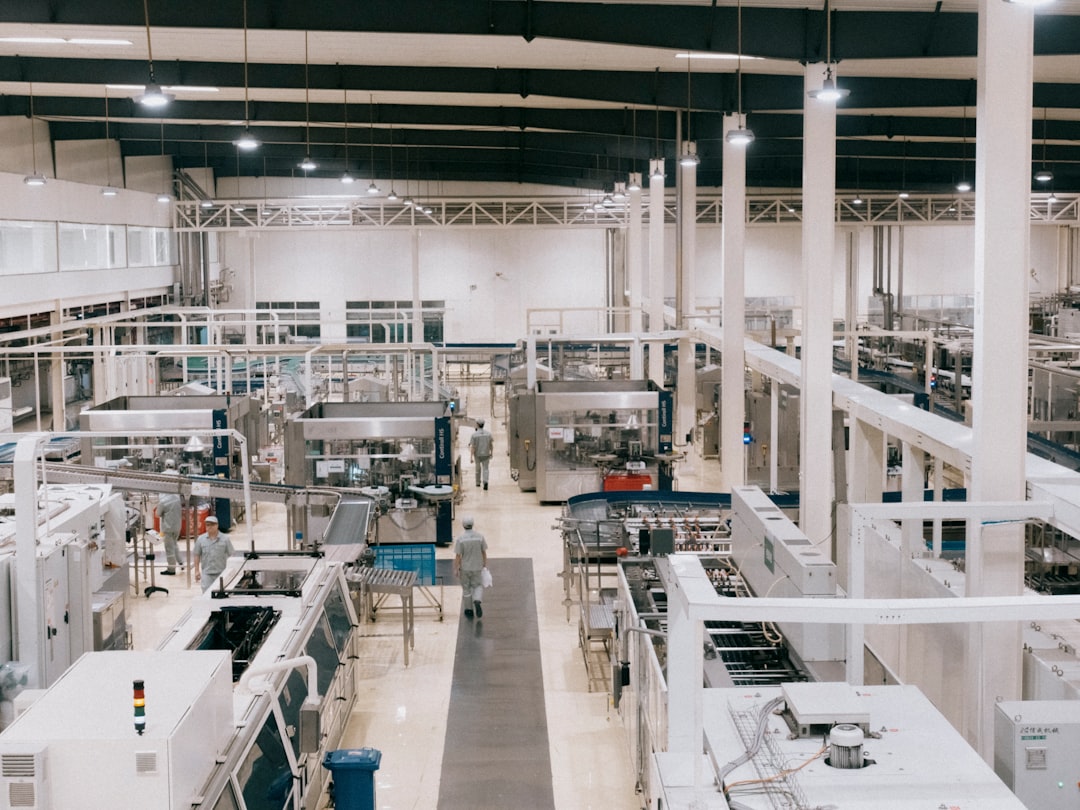
The fire that tore through a fireworks factory in Virudhunagar, Tamil Nadu, on April 19, 2026, did not just kill at least 25 people and injure 13 others. It exposed the fault lines running beneath an entire industry. This was not an isolated catastrophe. It was the predictable outcome of a system that has long traded safety for scale.
Virudhunagar sits 506 kilometers southwest of Chennai, a city built on trade. Its history is one of commerce, not caution. The British ruled here. The Later Pandyas and the Vijayanagar Empire ruled here. Each left a mark, but none left a legacy of industrial regulation. The city’s average elevation is 102 meters above sea level. Its climate is humid. It gets 780 mm of rain a year. That is a tough environment for any factory, let alone one that handles explosives.
The factory in question was almost certainly a small to medium-sized enterprise. That is the norm in India’s fireworks sector. The industry is vast, fragmented, and dangerous. It employs thousands. It supplies festivals and weddings across the country. But it operates on thin margins. Safety equipment costs money. Training costs time. Both are often the first things cut.
What happened in Virudhunagar was a detonation of accumulated risk. The explosion sent shockwaves through the community. That community is now left counting the dead and the wounded. The immediate question is why. The deeper question is whether anything will change.
India has a history of industrial disasters followed by promises. Committees are formed. Reports are written. Regulations are tightened on paper. Then the attention fades, and the factories go back to business as usual. The pattern is so well-worn it is almost a ritual.
But this event is different in one respect. It happened in a city with a long memory. Virudhunagar has been a trade center since British rule. Its people know what commerce costs. They also know what it should not cost. Twenty-five lives is a price no industry should be allowed to extract.
The investigation into the explosion is now underway. It will look at the handling of hazardous materials. It will examine safety protocols. It will ask who knew what and when. But the real investigation should be broader. It should look at why a sector that depends on dangerous chemicals is allowed to operate with so little oversight. It should ask why small factories are given licenses without the resources to meet basic safety standards.
The answer is not simple. Fireworks manufacturing is a significant employer in regions like Virudhunagar. Shut down the factories, and you shut down livelihoods. But leave them as they are, and you leave them as death traps. The tension between jobs and safety is not unique to India. It is a global problem. But it is a problem that has to be solved locally, factory by factory.
The city’s location near the Kowsika River, its elevation of 102 meters, its annual rainfall of 780 mm — these are not just geographical facts. They are constraints. They shape what can be built and how. A fireworks factory in a humid climate is a fire waiting for a spark. The April 19 explosion was that spark.
What comes next is uncertain. The injured are in hospitals. The dead are being mourned. The factory is a ruin. The community is in shock. But the forces that made this disaster possible — cheap production, weak enforcement, economic pressure — are still in place. Unless they are addressed, the next explosion is not a question of if. It is a question of when.